
Eating in a community: relationships, culture and the social environment surrounding food
Eating is a biological act, but it is also a social one. Between the ages of 15 and 17, your diet begins to be influenced not only by your family, but also by school, friends, social media, leisure time, events, training sessions and even work. At this stage, understanding how your social environment shapes what you eat, how much you eat and how you feel when you eat is essential for developing independence and making more informed dietary choices.
Mediterranean tradition has always valued eating together, and modern science confirms this: sharing meals improves health, mood, relationships and eating habits.
Why does eating together make a difference?
Studies show that teenagers who have regular meals with other people:
- they eat more vegetables, fruit and pulses
- they eat less fast food and drink fewer sugary drinks
- have better emotional regulation
- are at lower risk of disordered eating behaviours
- report a greater sense of belonging and well-being
- maintain more consistent mealtimes
This is because eating with someone else provides structure to one’s routine, encourages conversation, slows down the pace of the meal and encourages more balanced choices.
Research shows that shared meals create a natural structure that improves the quality of one’s diet. Eating in company slows down the pace of the meal, makes it easier to focus on what’s on your plate and reduces the impulse to reach for ultra-processed foods. The presence of other people, even over a simple lunch, helps to stabilise mealtimes and fosters a more relaxed relationship with food.
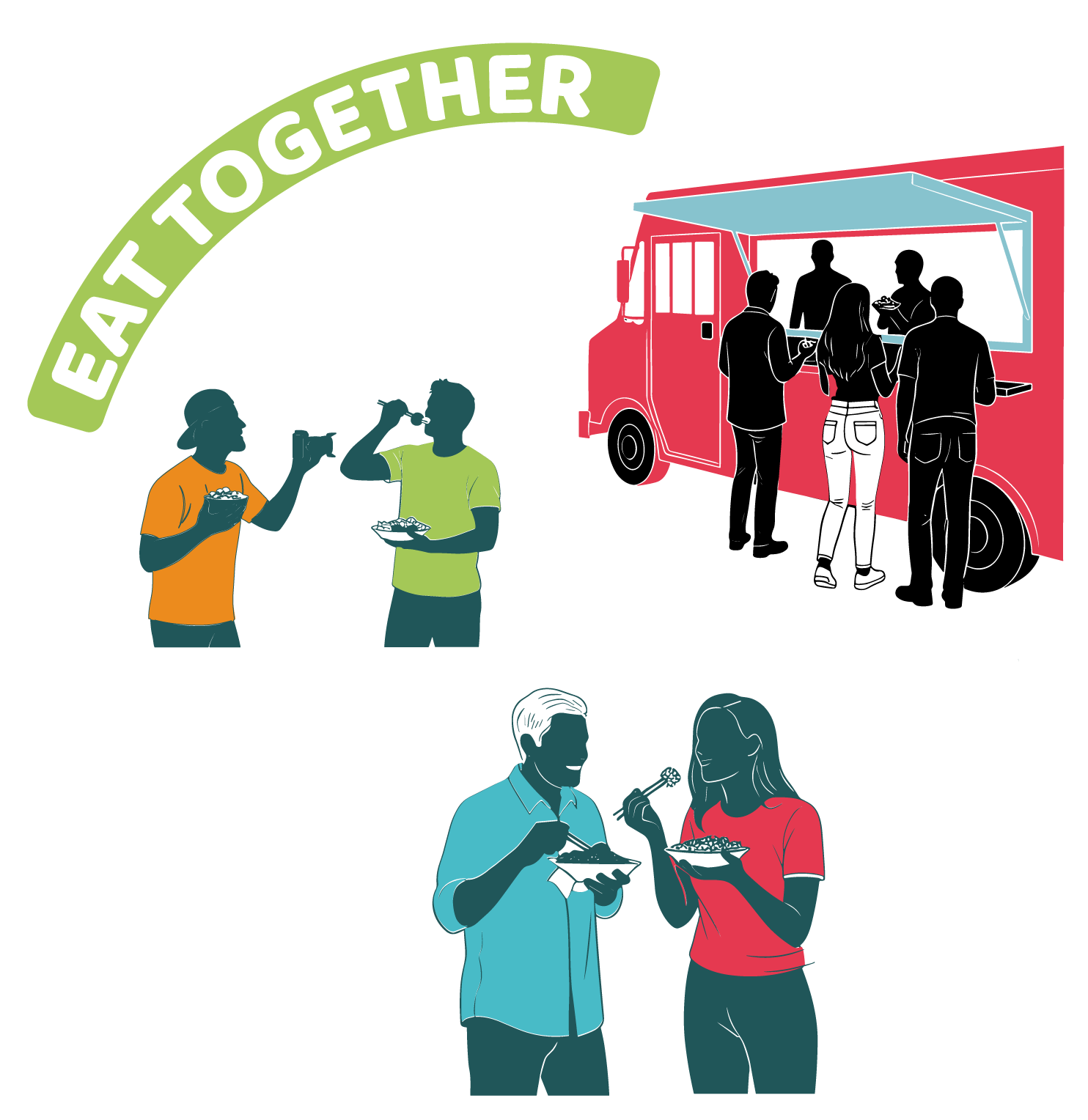
Between the ages of 15 and 17, various social forces exert a subtle influence on your choices:
a) Friends and classmates
- have an influence on snacks bought at school
- they create group ‘norms’ (what’s ‘cool’ to eat)
- can reinforce healthy — or less healthy — habits
b) Family
- decides what’s in the house
- sets meal times
- shapes attitudes towards food, weight, the body and health
- influences the emotional significance of meals
c) Influencers and advertising
- trigger food cravings whilst scrolling on your mobile
- promote energy drinks, snacks and viral ‘trends’
- they may spread nutritional misinformation (fad diets, detox products)
d) School and canteen
- what is available influences spontaneous choices
- Long queues or a short lunch break mean you end up eating more quickly
- The company decides whether you eat more, less or something different
Being aware of these influences increases your autonomy.
The Mediterranean Diet is not just a list of foods — it is a way of life.
Cultural elements that promote wellbeing and a balanced diet:
- leisurely meals spent chatting
- eat at the table (not on the sofa or whilst on the move)
- sharing dishes and flavours
- the link between food and emotions
- making the most of simple, fresh food
- main meals with family or friends whenever possible
Eating with others reduces the likelihood of eating too quickly, eating too much or reaching for ultra-processed foods on impulse.
Eating alone: when it makes sense and how to do it well
It isn’t always possible to eat with other people — different schedules, studying, training, shifts.
Eating alone can be a positive experience if:
- do you have time to enjoy your meal
- avoid screen-related distractions
- prepare a full meal
- you recognise the signs of hunger and fullness
- keep to a regular timetable
Making ‘eating alone’ a conscious practice helps prevent bouts of emotional or uncontrolled eating.
The most important thing is that your eating fits in with your day, not the other way round. There are times for eating with others, times for eating alone, and times for quick meals. The key is that, in all these situations, you stick to small choices that make a difference: including vegetables whenever possible, drinking water, avoiding eating whilst distracted, and listening to your body’s signals.
Food autonomy is built through these small practices.
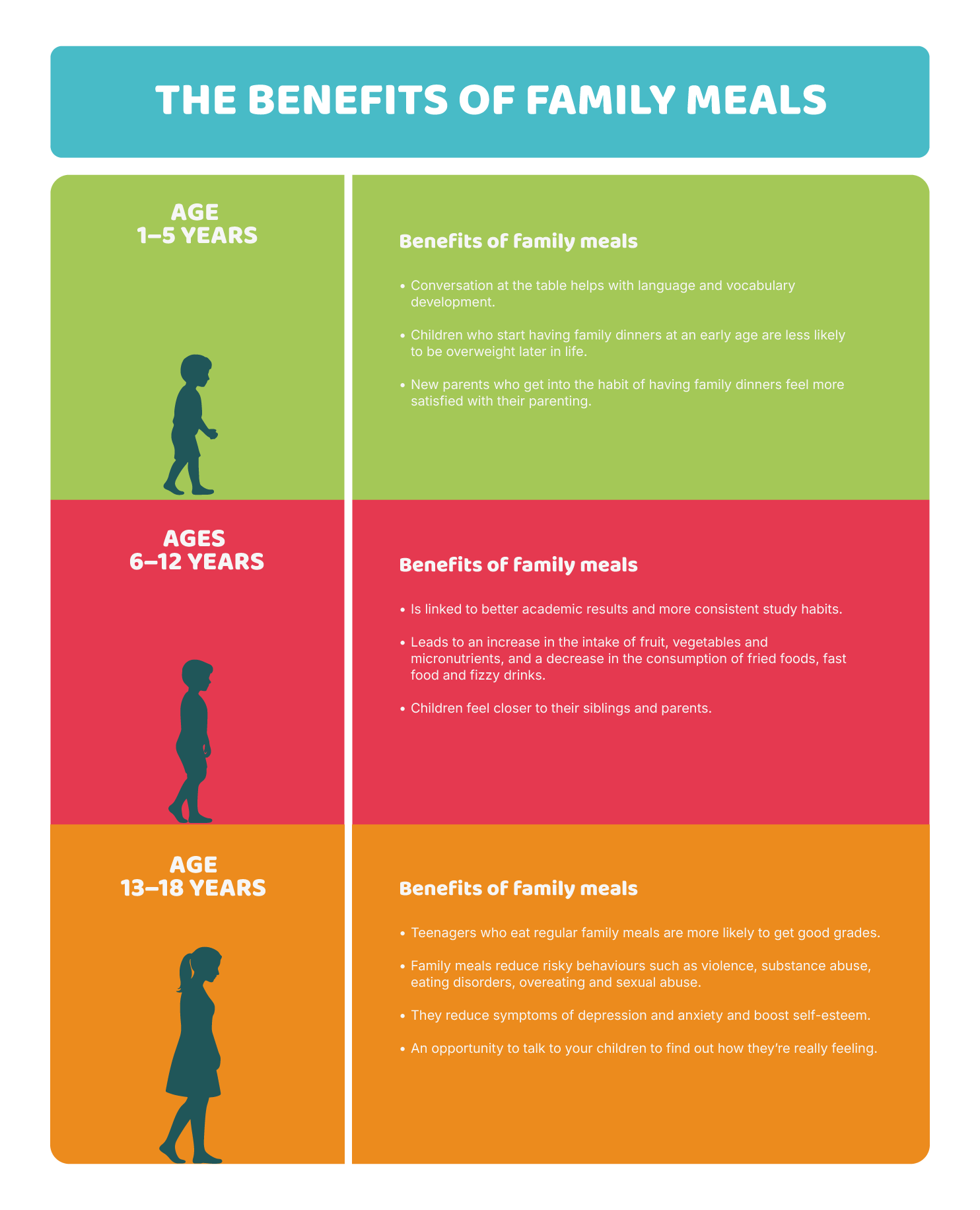

Food is one of the most important ways in which we express who we are.
At a stage when our identity is taking shape, food:
- connect with your family and traditions
- reinforces Mediterranean and local customs
- get to know different cultures and flavours
- helps you understand sustainability and ethical choices
Appreciating cultural diversity at the table fosters empathy, curiosity and an openness to the world.
Food is one of the most powerful forms of cultural expression: it conveys values, stories, family, a sense of belonging and even emotions. The choices you make, the flavours you prefer, the dishes that accompany celebrations, and the food you share with friends all help to shape your identity. This cultural connection to food is positive because it reinforces stable habits, dietary diversity and a curiosity about new flavours.

“A shared meal is more than just food — it’s time, conversation and balance.”
Whenever you can, share at least one meal a day with someone: family, friends, colleagues or neighbours.
FOODWISElab challenge
Understand how the social context and mindfulness influence the way you eat, how you feel and the choices you make at the table.
Eating in Company, Eating Mindfully