
Making the most of everything: zero waste through science and creativity
The kitchen is one of the places where the most food is wasted, often due to a lack of planning, poor storage or a lack of knowledge about how to make use of edible parts of food. At the age of 15–17, you’re mature enough to realise that food waste isn’t just an economic problem: it’s also an environmental, ethical and nutritional issue.
In this subsection, you’ll learn how to reduce waste through science, organisation and creativity.
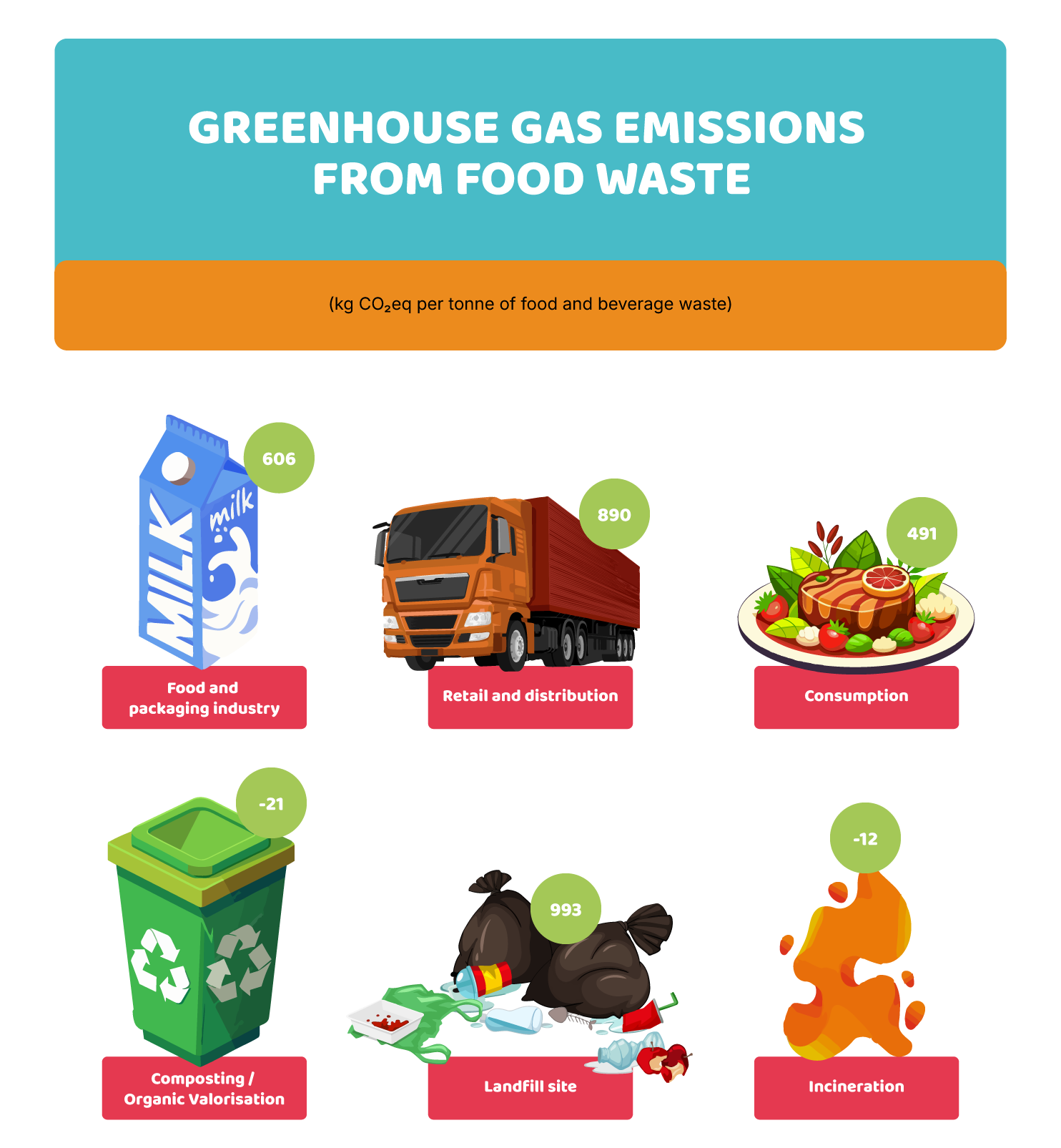
Every piece of food that ends up in the bin represents:
- water used in farming
- energy used in transport, refrigeration and food preparation
- land use and biodiversity
- nutrients that were never actually utilised.
International reports estimate that around one-third of the food produced is wasted and that this waste accounts for 8–10 per cent of global greenhouse gas emissions. In some countries, almost one-fifth of the food bought by households ends up in the bin, with a significant economic and environmental impact.
Avoiding waste is one of the individual actions with the greatest positive impact on the planet.
Avoiding waste starts before you start cooking
Much of the waste occurs before it reaches the pan:
- Planning meals in advance helps you use up what you already have at home first and avoid impulse buys.
- Making a shopping list reduces the likelihood of you bringing home items you won’t use.
- Cooking from scratch, where possible, allows you to make the most of your ingredients and helps you avoid many ultra-processed meals.
- When it comes to choosing:
- supermarket own-brand products can offer good value for money
- local and seasonal food tends to be fresher, tastier and has a smaller environmental footprint
- a whole chicken can work out cheaper per kilo than buying pre-cut chicken breasts
you can substitute some ingredients with cheaper alternatives that serve a similar purpose (for example, rapeseed oil instead of olive oil in certain recipes, or minced pork instead of beef). - It also makes sense:
- compare prices between shops
- consider buying in bulk when it’s actually cheaper per portion
- avoid ‘gourmet’ or very specific products that you know you’ll only use once
- be wary of marketing tactics that tempt you into buying more than you need.
Some practical strategies:
- concentrate your main shopping trips to once a week, using a meal plan
- use digital lists that you can reuse and adapt
- choose products with a longer use-by date when you know you won’t be eating them straight away
- Keep a basic pantry stocked with versatile foods: dried herbs, spices, tinned tomatoes, pasta, rice, flour, couscous, stock cubes, tinned beans and tuna, oils and vinegars.
All of this helps to keep the kitchen tidier and reduces the likelihood of food being forgotten at the back of a cupboard or in the fridge.

At home: preparing, cooking and serving mindfully
During the preparation stage:
- use leftovers on purpose: vegetable scraps in an omelette, yesterday’s rice in a stir-fry, boiled chicken in a pie or a salad
- whenever possible, cook from scratch rather than relying on ready meals; that way, you have better control over the portions and make the most of everything
- choose cooking methods that are efficient in terms of time and energy (for example, microwaving potatoes before putting them in the oven can significantly reduce the total time).
When serving:
- adjust the portions to match actual appetite (for example, around 100 g of dry pasta per adult)
- He prefers to let people help themselves as much as they like, rather than serving a full plate straight away, half of which will end up in the bin.
Making the most of less obvious parts of food
Many parts that we usually throw away are rich in fibre, vitamins and aromatic compounds:
- carrot peelings in stock or soups
- broccoli stalks, either sautéed or in soups
- sautéed beetroot leaves, just as you would spinach
- sweet potato peel turned into crisps in the oven
- citrus peel to flavour olive oil, cakes or tea
- stale bread in the form of croutons, breadcrumbs, “migas” or “açorda”.
Provided they are thoroughly washed, show no signs of spoilage and are used in appropriate dishes, many of these parts are safe and nutritious.
Reusing leftovers creatively (always safely)
Leftovers aren’t just ‘boring scraps’; they’re pre-cooked ingredients waiting for a new purpose:
- rice → stir-fries, rice balls, fillings, baked rice
- roasted vegetables → soups, wraps, bowls
- cooked chicken → pie, salads, stir-fried pasta
- cooked fish → pâtés with yoghurt and herbs, tortillas
- stale bread → breadcrumbs, toast, flour, bases for gratins.
Safety rule for leftovers:
- cool within 1 hour of cooking
- store in sealed containers, preferably in small portions
- use within 2–3 days
- Heat thoroughly before eating, until it is evenly warm.
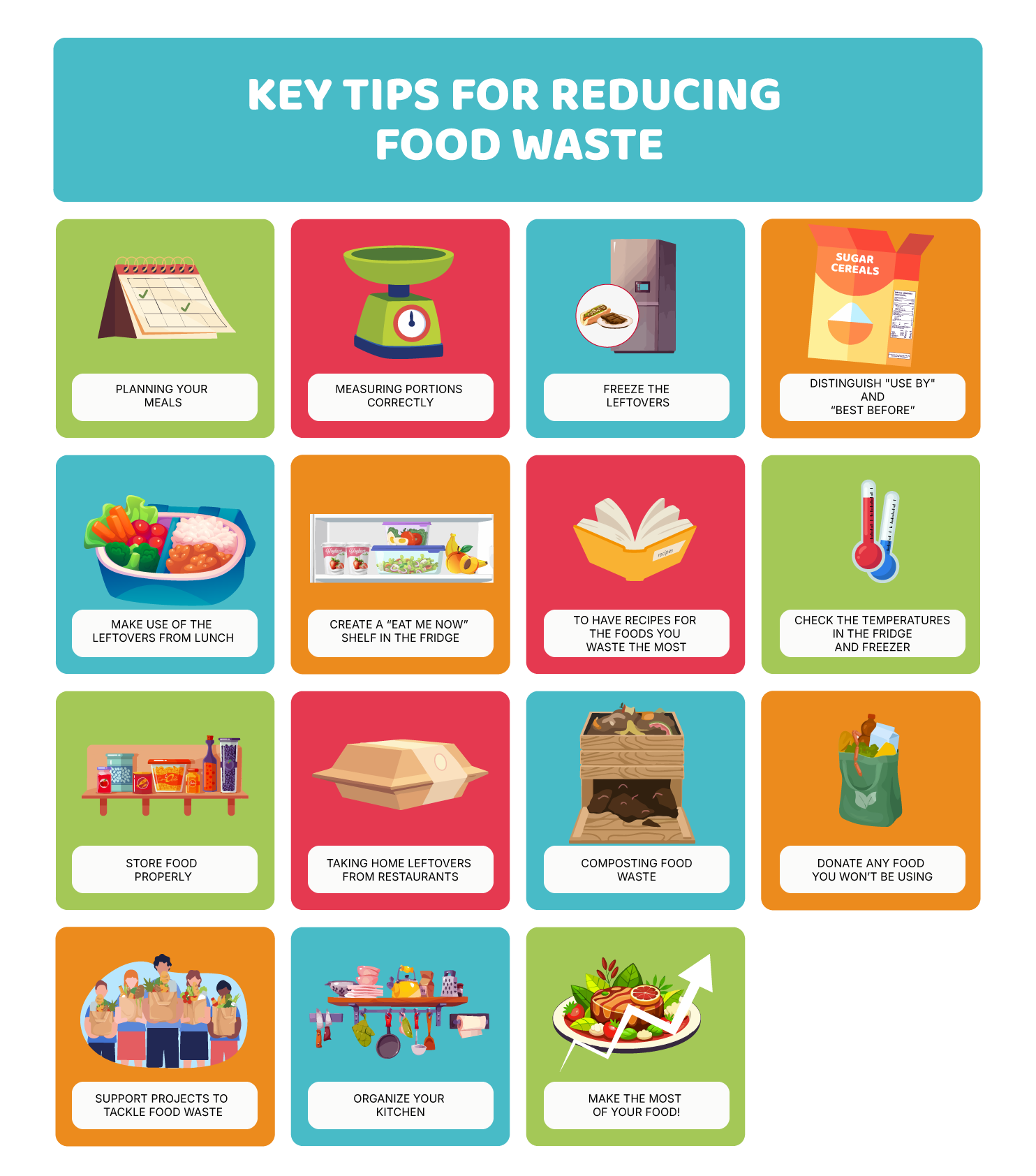
A good storage system is essential:
- fridge: fruit and vegetables in the designated drawer, meat and fish in the coldest compartments
- pantry: cool, dark places for potatoes, onions and other dry goods
- freezer: use suitable boxes or bags, remove any air to prevent freezer burn, label with the date and contents.
Freezing is one of the most effective ways to reduce waste. You can freeze:
- bread
- chopped vegetables
- raw meat and fish
- full meals
- properly packaged leftovers
- aromatic herbs in olive oil or water (for example, in ice cube trays).
Key care points:
- Add before freezing
- avoid refreezing food that has already been defrosted
- Defrost in the fridge or in the microwave and consume within 24 hours.
The “first in, first out” rule applies to the fridge, freezer and larder: put the most recently purchased food at the back and bring to the front what should be used first.
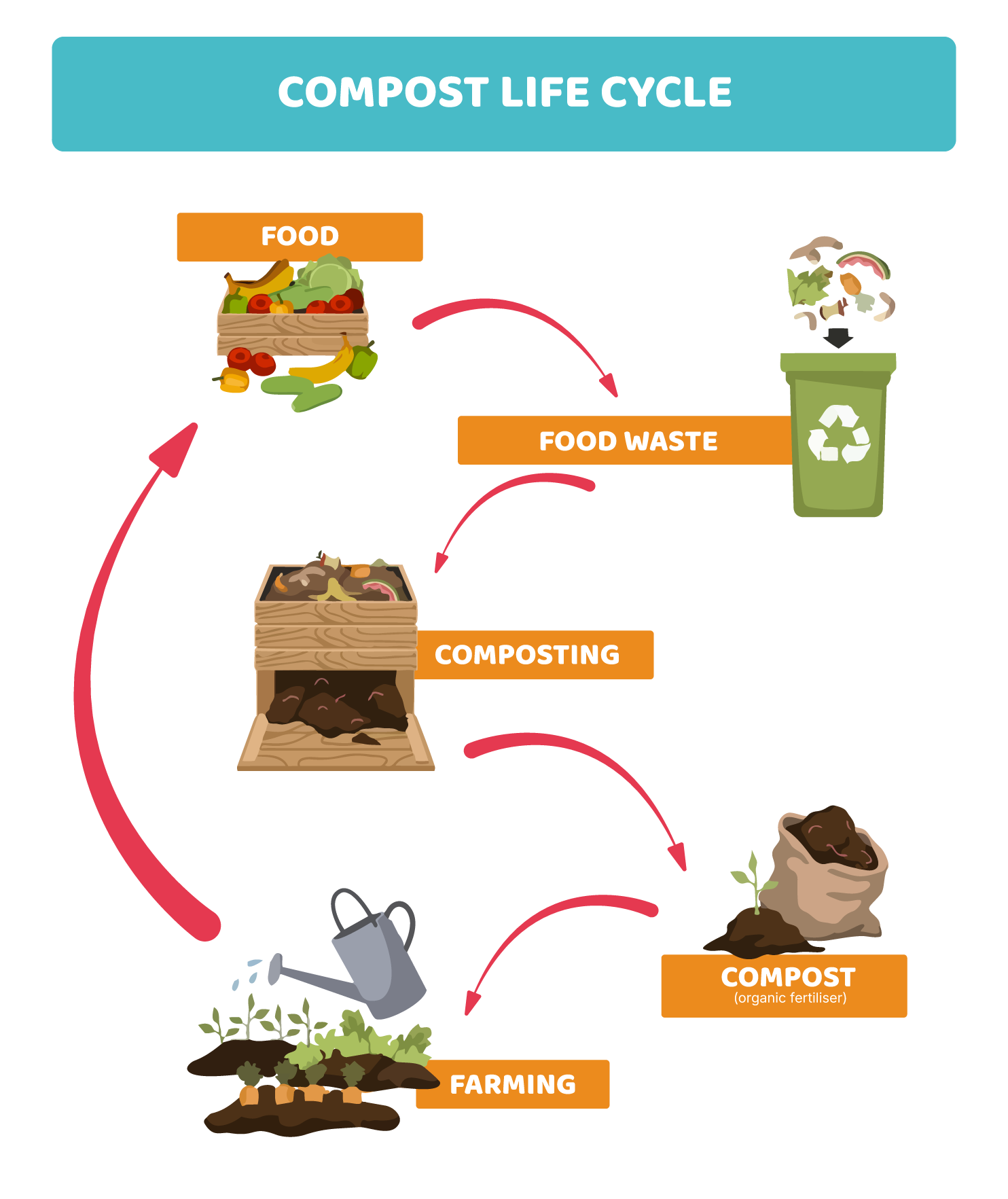
There are parts that are not suitable for consumption (very tough skins, stones, some fibrous leaves). Instead of going straight into the bin, they can be composted:
- reduces the amount of waste sent to landfill
- reduces methane emissions
- produces natural fertiliser for vegetable patches and gardens
- demonstrates, in practice, how organic matter ‘returns’ to the soil.
Composting can be done at home, at school or as part of neighbourhood projects, and forms part of a vision of food circularity.
Batch cooking: cook once, eat several times
Batch cooking is a strategy that combines organisation, nutrition and virtually zero waste:
- cooking large quantities of staple foods (pulses, rice, quinoa, roasted vegetables)
- store in boxes in the fridge or freezer
- to incorporate into different dishes throughout the week.
Benefits:
- saves time on school days
- reduces energy consumption per meal
- avoid leftovers being forgotten at the back of the fridge
- makes it easier to make healthier choices, rather than reaching for ultra-processed ‘snacks’ at the last minute.
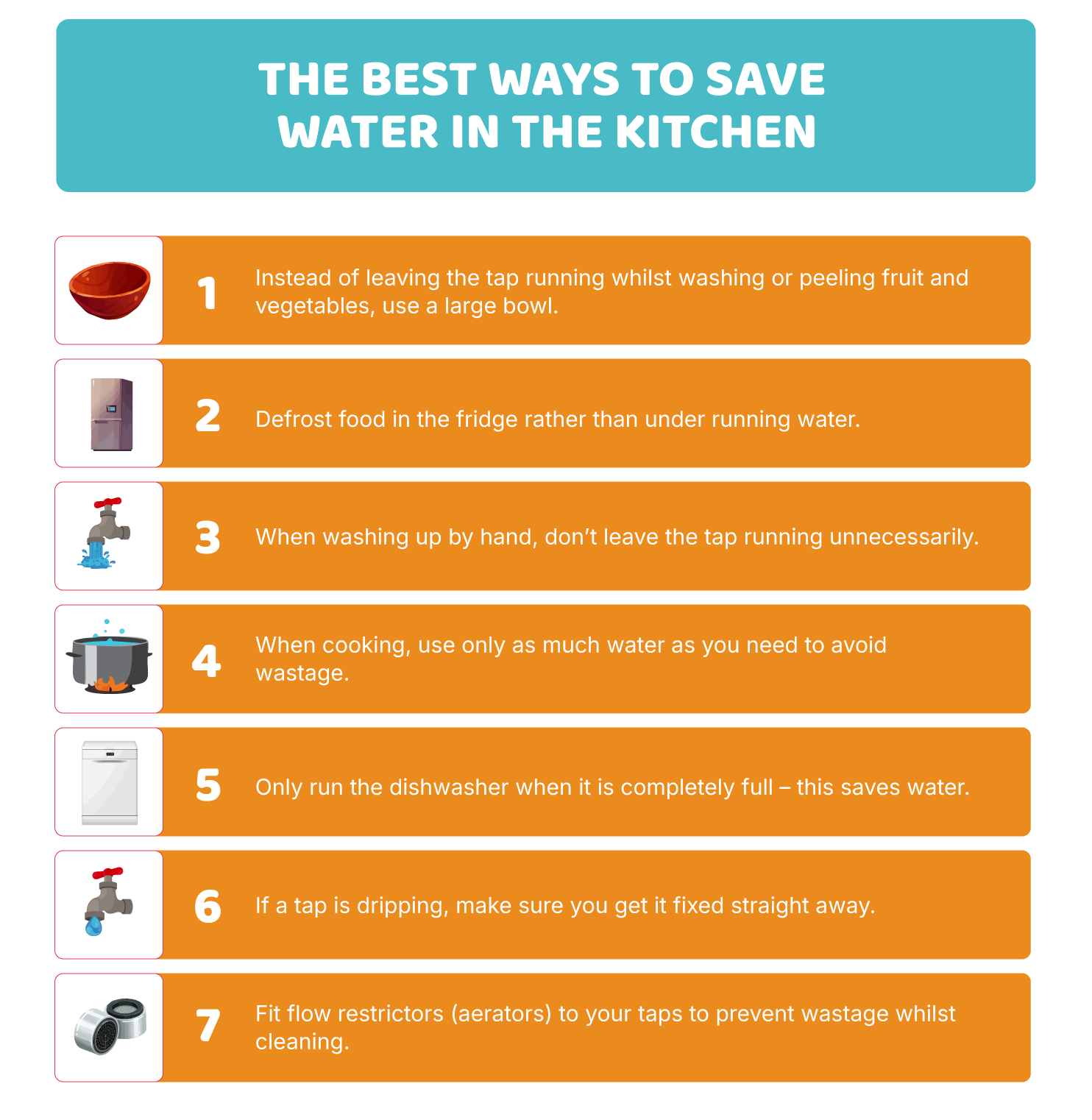
Sustainability also depends on how you use resources whilst cooking.
Energy
More efficient techniques: steaming, sautéing with a lid, pressure cookers, microwaves for small portions. Techniques that use more energy: the oven (especially for small quantities), deep-frying, electric grills.
Simple ways to save energy:
- cooking with the lid on
- preheat the oven
- cut food into smaller pieces
- switch off the hob a few minutes beforehand
- avoid opening the oven whilst cooking
Water
- washing food in a bowl rather than under running water
- reuse cooking water where possible
- soak pulses
- avoid defrosting under running water
Materials
- prefer stainless steel and cast iron
- replace scratched non-stick frying pans
- cut aluminium foil and cling film
- use glass, reusable containers, beeswax wraps, silicone mats

“Before throwing it away, ask yourself: can I use it? Can I freeze it? Can I repurpose it?”
Much of what we call “rubbish” can be reused safely and creatively.
FOODWISELab challenge

To understand how food waste occurs in everyday life and to try out simple strategies to reduce it, thereby saving resources and money and protecting the environment.