
Food groups in real life: a critical analysis and balance
We continue to use the Mediterranean diet as a benchmark, but now with a more critical and informed approach, which helps you understand the science behind the choices.
As you grow up, you gain more freedom to choose what you eat: you decide what to have for breakfast, what to take to school, what to buy at a café or a petrol station, and you often help prepare meals at home too. Having this freedom is important, but it also comes with the responsibility of understanding how your food choices affect your health, energy levels, performance, mood and even your environmental footprint.
Taking a critical look at food groups is a powerful tool for navigating an environment where credible scientific information, widely held myths and eye-catching marketing all coexist. This subsection helps you look at food through ‘a scientist’s eyes’, questioning the evidence, context and quality of the information: understanding where nutrients come from, how they work together and why balance matters more than rigid rules.
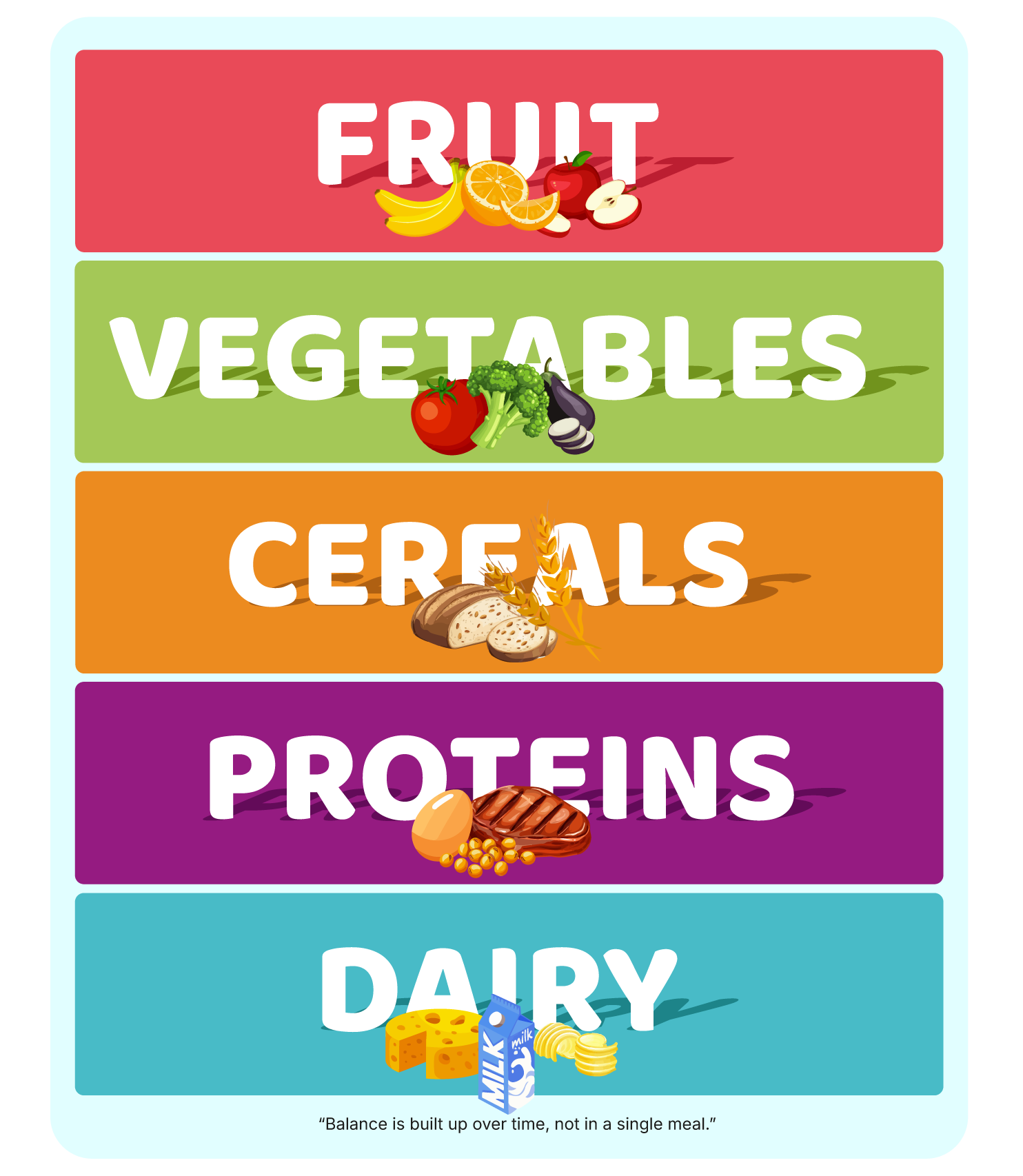
Food groups categorise foods not according to trends or convenience, but according to their predominant nutrients, their food matrix (the way in which nutrients interact within the food), their metabolic impact and their role in health.
Whilst in the 12–14 age group the focus is on identifying the food groups and their main functions, the aim here is to understand how the food groups interact with one another and how each one contributes to a balanced diet, particularly within the Mediterranean diet.
Nutrition research shows that:
- Food is more than the sum of its nutrients;
- Variety within groups increases microbial diversity and reduces nutritional and metabolic risk;
- overall dietary patterns are a better predictor of health than individual foods;
- Plant-based foods are central to human and environmental health.
So, rather than thinking of the groups as ‘separate boxes’, it is important to understand how they complement one another.
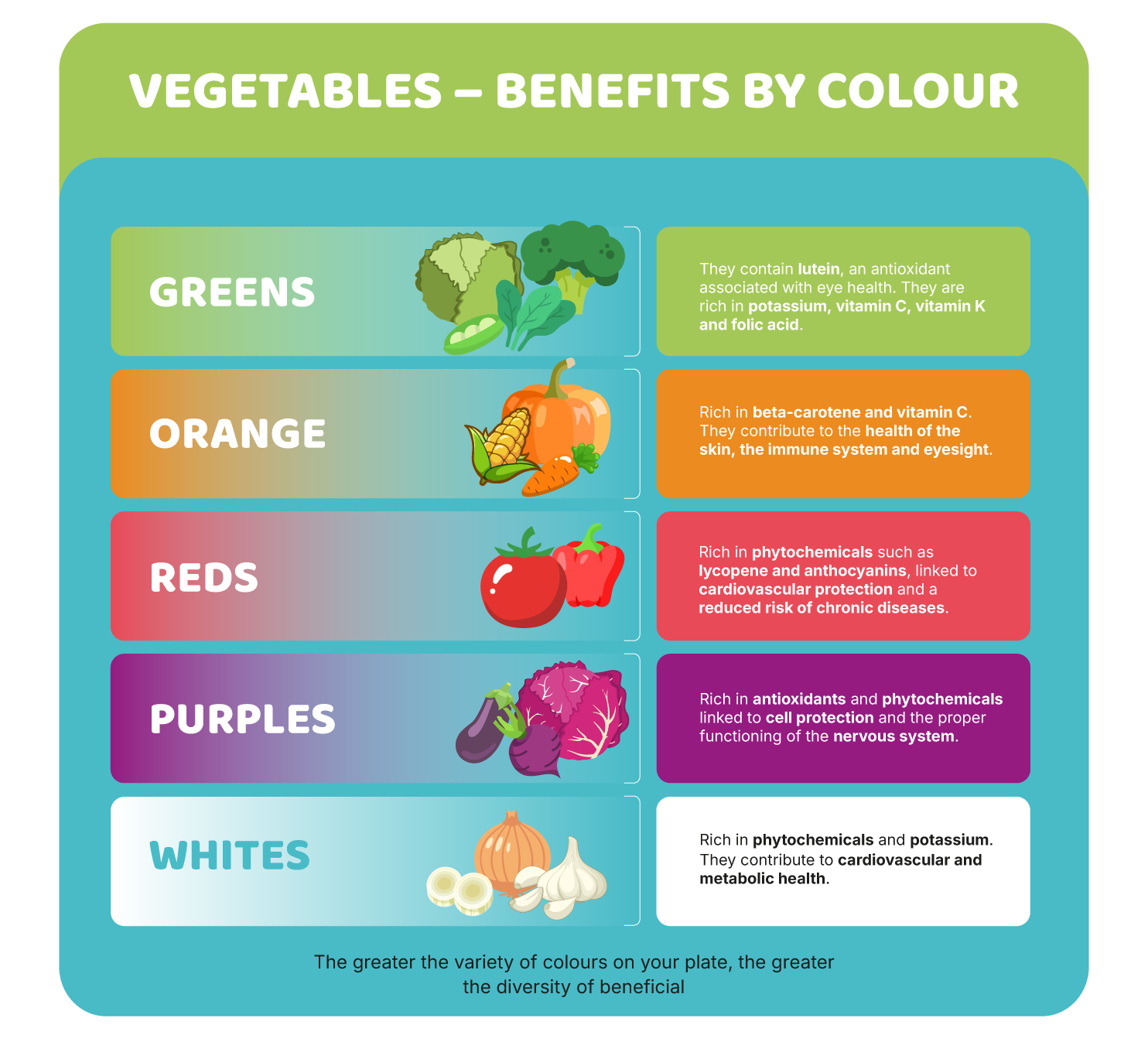
These foods are rich in essential micronutrients, vitamins, minerals and fibre, as well as phytochemicals – bioactive compounds such as polyphenols, carotenoids and flavonoids – which have antioxidant and anti-inflammatory properties. They are essential for:
- to regulate digestion,
- to nourish the microbiota,
- support the immune system,
- to protect against chronic diseases,
- to promote general well-being.
The more different colours you include, the greater the variety of phytochemicals.
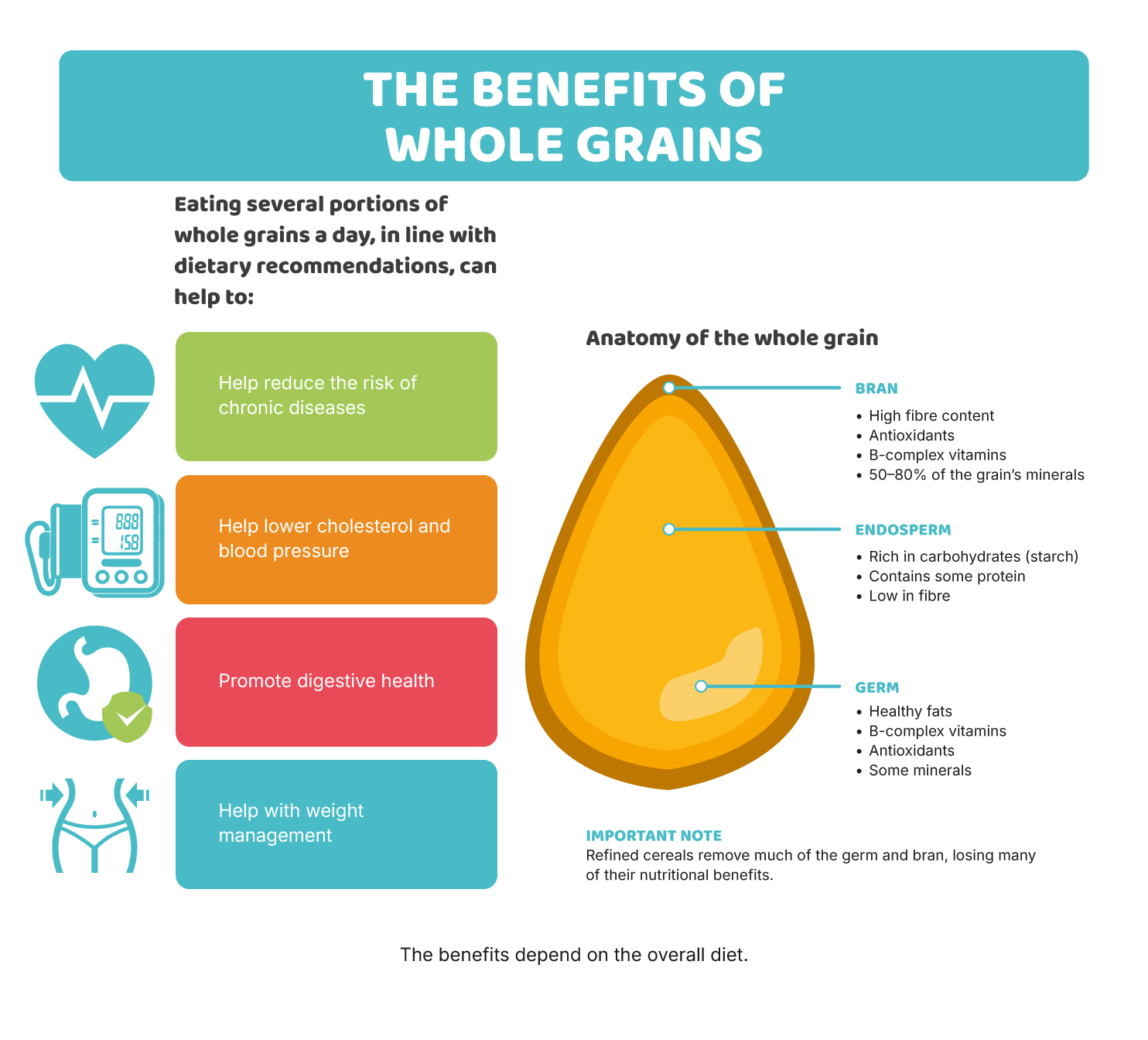
Cereals (such as rice, oats, wheat, rye and maize) and tubers (potatoes and sweet potatoes) provide essential energy. Attention should be paid to:
- wholemeal vs. refined; wholemeal products retain fibre, vitamins and minerals;
- contextual glycaemic index; this depends on the food and how it is combined with fibre, fat and protein;
- quantity and quality, not elimination.
Scientific evidence shows that whole grains reduce the risk of obesity, type 2 diabetes and cardiovascular disease.
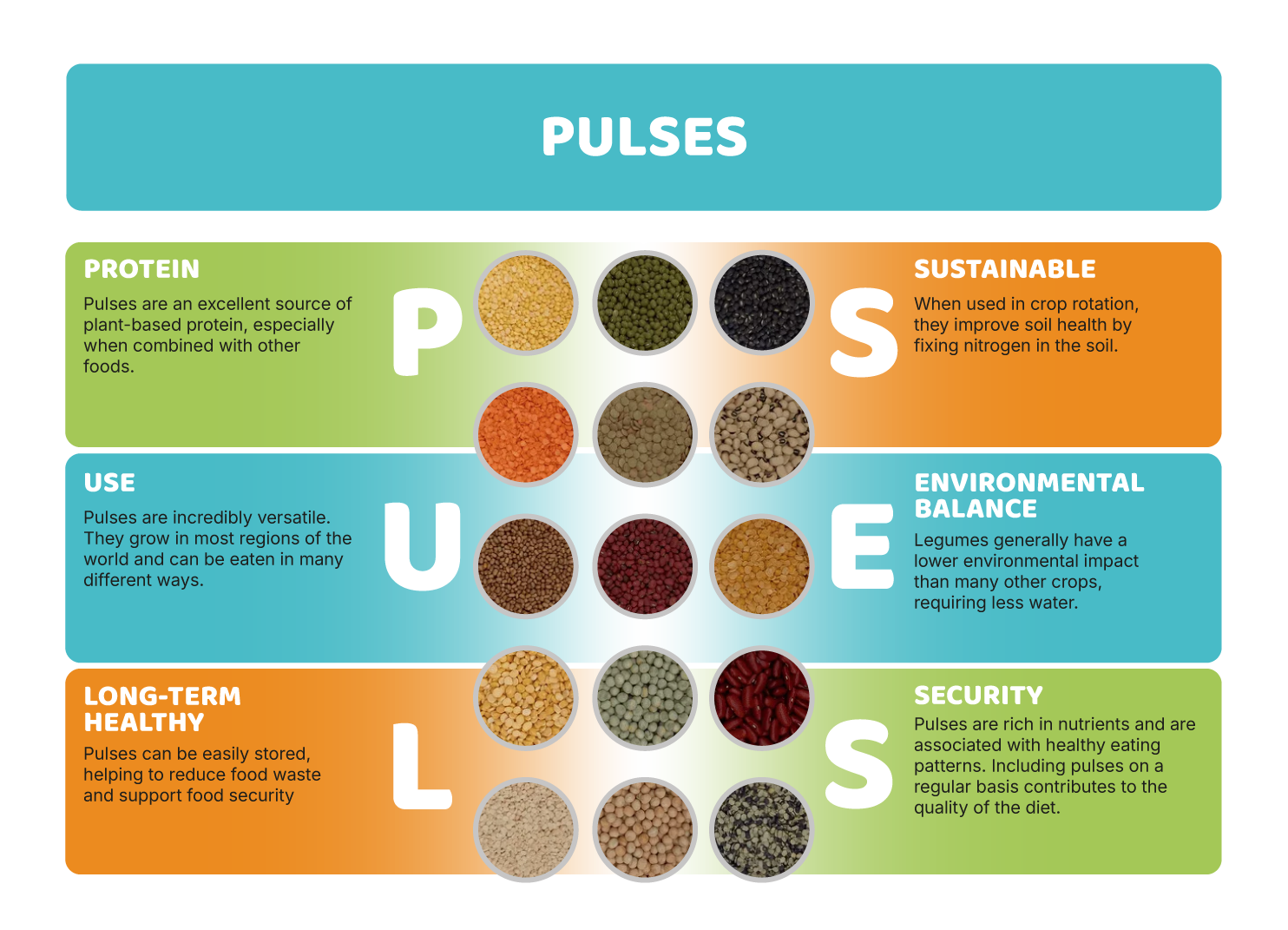
Pulses (beans, lentils, chickpeas, peas) are rich in protein, soluble and insoluble fibre, iron, zinc and folate. They have a significantly lower environmental impact than animal-based sources and are a cornerstone of the Mediterranean diet.
Key benefits:
- increase feelings of fullness,
- stabilise blood glucose levels,
- lower LDL cholesterol,
- improve microbial diversity.
Eating pulses several times a week (ideally 2–4 times) is a strategic nutritional and environmental choice.
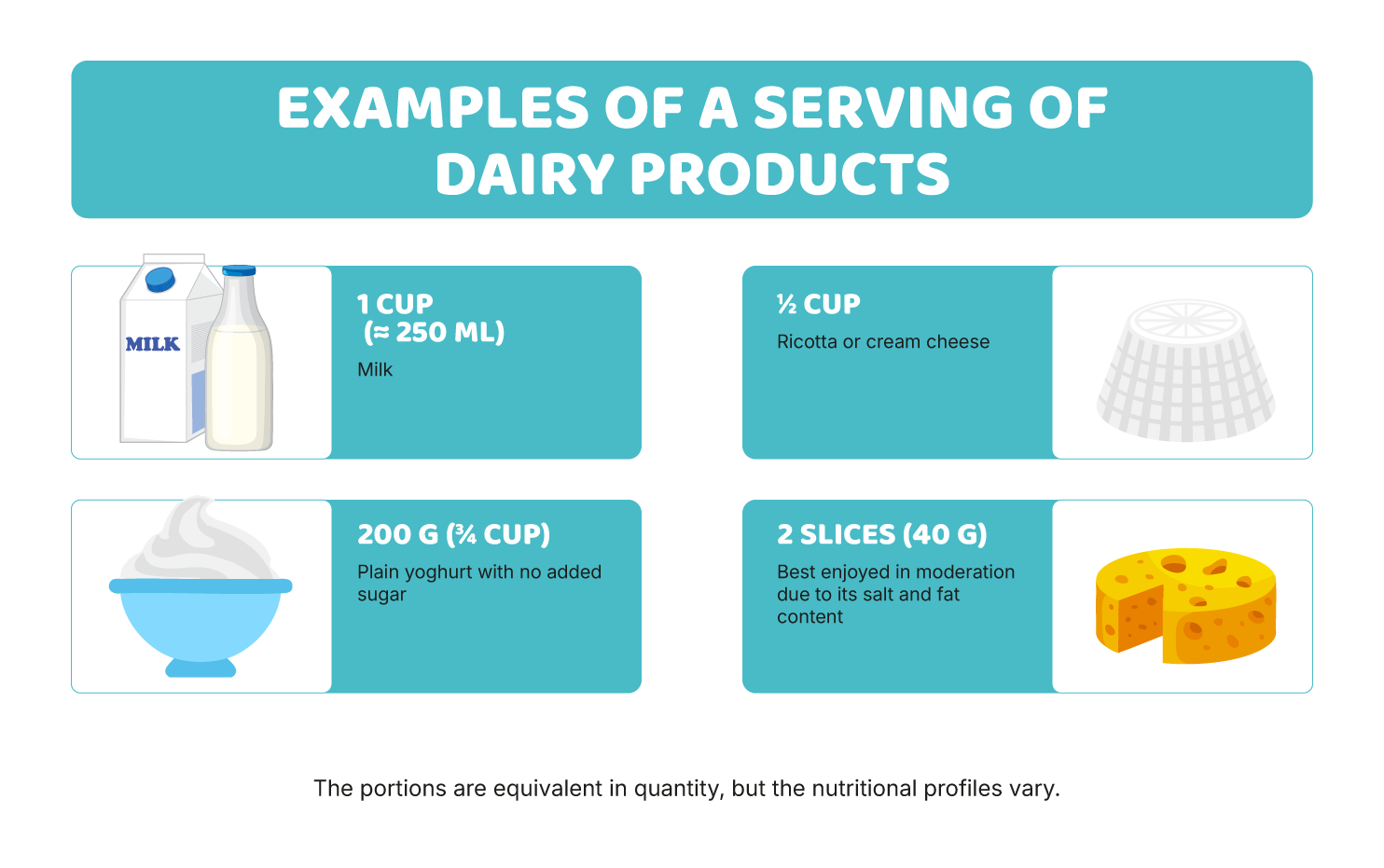
Dairy products such as milk, yoghurt and cheese can form part of a balanced diet, provided they are assessed on the basis of their food matrix, and not simply on the basis of their fat content. Recent evidence shows that:
- plain yoghurt is one of the most health-promoting dairy products;
- Matured cheeses are higher in fat and salt, but when eaten in moderation they can form part of a balanced diet;
- Sweetened milk drinks or dairy desserts are not the same as plain milk or yoghurt.
It is important to distinguish dairy products from ultra-processed products containing milk.
Meat, fish and eggs contain high-biological-quality proteins and key micronutrients (haem iron, B12, marine omega-3). However, the evidence suggests:
- cut down on red and processed meat;
- choose fish (ideally sustainably sourced);
- avoid unnecessary excess protein;
- focus on the diversity of sources.
The problem isn’t eating animal protein, but rather the amount, the type and the frequency.


Not all fats are the same, and they certainly do not all have the same metabolic impact. Virgin or extra virgin olive oil stands out:
- because of its natural antioxidants,
- due to the phenolic compounds,
- due to thermal stability,
- for its cardioprotective role.
Other refined oils have less favourable nutritional profiles. Margarines and products containing hydrogenated fats should be consumed sparingly.
Balance in practice: managing real-life choices
A balanced diet doesn’t have to be perfect. The focus is on the overall trend, not on any one particular day. A teenager’s life includes:
- irregular school timetables,
- physical activities,
- exams,
- social gatherings,
- not much time for elaborate breakfasts,
- quick snacks.
That is why it is important to know how to make smart combinations, for example:
- fruit + natural yoghurt + nuts;
- wholemeal bread + egg + tomato;
- soup + a simple sandwich with lean protein;
- wraps with pulses, vegetables and olive oil.
HOW TO ASSESS EATING HABITS?
If you already know how to identify food groups and plan simple meals, you’ll now learn to analyse overall patterns – how you spread your food intake throughout the day and the week, and how this affects your health, energy levels and sustainability. Rather than simply asking yourself, ‘Did I eat well or badly today?’, it’s more useful to identify trends:
Signs of balance:
- fruit and vegetables available every day;
- a variety of proteins (plant and animal);
- mainly wholegrain cereals;
- minimally processed foods as a basis.
Signs of imbalance:
- meals low in vegetables;
- excessive consumption of sugary products;
- heavy reliance on ultra-processed foods;
- monotonous diet;
- high-energy, nutrient-poor snacks.
The aim is not to judge, but to adjust.
DEBUNKING COMMON MYTHS
- “Carbohydrates make you put on weight”: no; it is an energy surplus that causes weight gain.
- “Fats are bad for you”: it depends on the type; olive oil is beneficial.
- “Being vegetarian is enough to be healthy”: only if there is variety and adequate nutrients.
- “Healthy eating is expensive”: it depends on the choices you make; seasonal pulses and vegetables are good value for money.
- “Flavoured yoghurts are the same as plain ones”: no; they contain sugar and additives.
AUTONOMY AND RESPONSIBILITY
Food sovereignty means:
- plan simple meals,
- pack some healthy snacks,
- read labels with a critical eye,
- to identify misleading advertising,
- respect the body and the planet.
It is about learning to make informed, consistent and balanced decisions.

If you’re not sure whether a meal is balanced, ask yourself this key question:
“Does it contain at least one good source of vegetables, one of protein and one of complex carbohydrates?” If the answer is yes, you’re on the right track.
FOODWISElab challenge

Learn to keep track of what you eat throughout the day, organising foods into food groups, identifying excesses and deficiencies, and suggesting realistic adjustments to improve balance — without cutting out any foods.