
Strategies for a balanced diet and diversity
As you gain more independence and your daily life becomes more demanding – with long hours, extracurricular activities, eating out, studying and socialising – it becomes essential to develop practical and science-based strategies to ensure your diet remains balanced, varied and tailored to your actual needs.
You already know that eating well doesn’t mean perfection, nor does it mean following strict rules. It means being able to adapt, being flexible and developing a sort of ‘nutritional compass’ to help you navigate daily choices without stress and with a critical eye.
This subsection focuses precisely on that: how to apply scientific knowledge about nutrients, dietary patterns, energy and health to build a balanced and varied eating style, even in the real-life context of a teenager.
What does ‘balance’ in eating actually mean?
Balance isn’t achieved in every meal, nor in a single day: it’s a trend over time.
It means that, over the course of the week:
- includes different food groups,
- adjust quantities to meet energy requirements,
- You do have moments when you’re a bit more indulgent, but not as a matter of routine,
- prioritise fresh and minimally processed foods,
- Spread your meals out to maintain your energy levels and avoid large fluctuations in blood sugar.
Scientific evidence shows that a balanced diet reduces the risk of fatigue, irritability, poor concentration, compulsive eating and weight gain.
Eating the same things all the time, even if they are ‘healthy’, is not enough. A varied diet increases the range of micronutrients you consume, nourishes different species of beneficial bacteria in the gut microbiota, reduces the risk of nutritional deficiencies, improves immune function and promotes a longer-lasting feeling of fullness and more stable energy levels throughout the day.
Studies show that people who consume at least 30 different plant-based foods per week have more diverse and resilient microbiomes.
These include:
- vegetables of various colours,
- pulses,
- different whole grains,
- nuts and seeds,
- assorted fruit.
Putting together balanced meals independently
A balanced meal includes three key elements:
- Complex carbohydrates
- brown rice, wholemeal pasta, potatoes, sweet potatoes, oats, wholemeal bread. - Sources of protein
– eggs, fish, chicken, yoghurt, tofu, beans, lentils, chickpeas. - Vegetables or fruit
- half the plate should consist of fresh or cooked plant-based foods.
And to round it off: - Healthy fats
– olive oil, avocado, nuts, seeds.
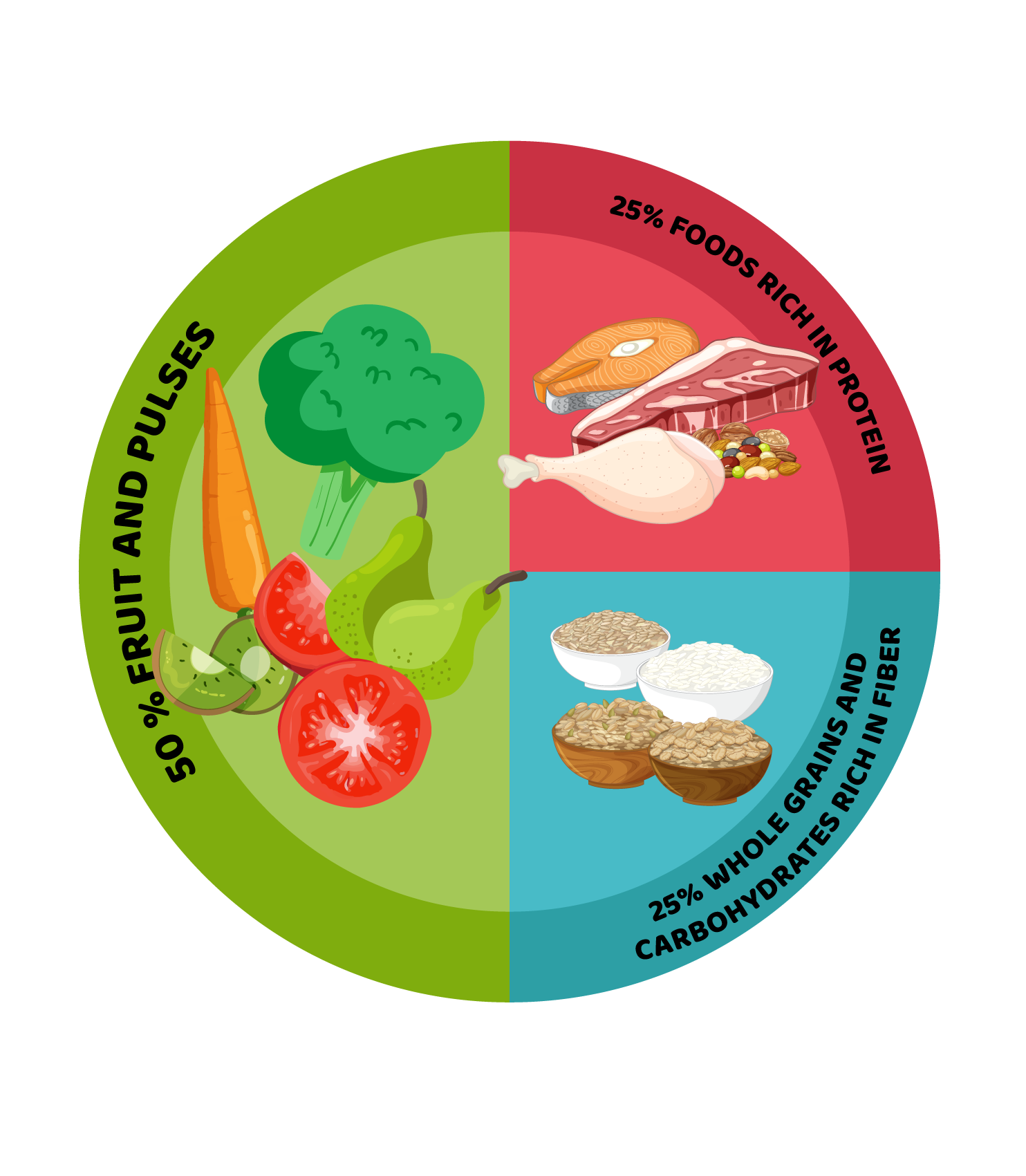
A simple method: The 50–25–25 rule
- 50% vegetables
- 25% source of protein
- 25% complex carbohydrates
- + 1 tablespoon of olive oil
This method, inspired by proven models such as the Mediterranean plate and the Harvard plate, helps you maintain a balanced diet without having to weigh or measure your food. The 50–25–25 method complements the Mediterranean Plate you learnt about when you were aged 12–14: half the plate is still made up of a variety of vegetables, with the difference that you now also understand their role in energy, fibre, gut microbiota and environmental impact.
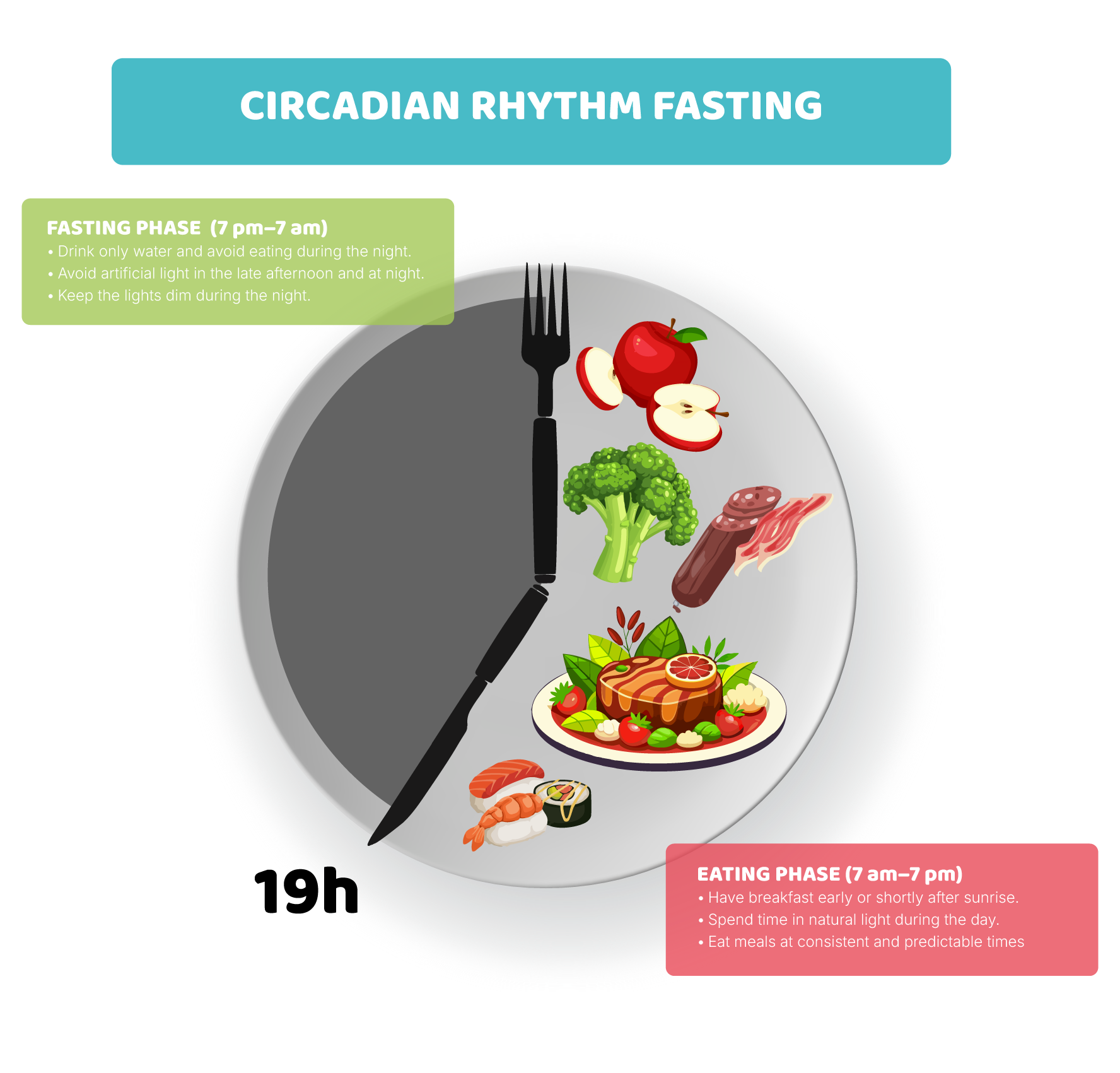
The body regulates its energy levels throughout the day in line with circadian rhythms. Science shows that:
- Eating larger meals earlier in the day helps boost your metabolism.
- Eating late at night can affect digestion and the quality of your sleep.
- Skipping meals increases the risk of binge eating and less balanced dietary choices.
- Sticking to a consistent routine improves cognitive performance and your energy levels throughout the day.
A simple strategy:
- Full breakfast,
- Structured lunch,
- Planned snacks (not impulse buys),
- A light dinner.
Eating during the school day: how to strike a balance?
When the day is long:
- Pack some healthy snacks: fruit, nuts, natural yoghurt, simple sandwiches, carrot sticks.
- Avoid relying solely on the snack machine or the school café.
- Always keep a bottle of water to hand.
During periods of intensive study:
- favours foods that combine fibre and protein → more stable energy levels;
- avoid excessive caffeine (‘instant energy’, but a quick crash).
Eating during the school day: how to strike a balance?
When the day is long:
- Pack some healthy snacks: fruit, nuts, natural yoghurt, simple sandwiches, carrot sticks.
- Try not to rely solely on the snack machine or the school canteen.
- Always keep a bottle of water to hand.
During periods of intensive study:
- favours foods that combine fibre and protein → more stable energy levels;
- avoid excessive caffeine (‘instant energy’, but a quick crash).

Always keep a “nutritious emergency kit” in your rucksack: fruit + nuts + water.
It can save you on long days, curb unnecessary cravings and help balance your energy levels and mood.
FOODWISElab challenge

Increase the variety of plant-based foods throughout the week, recognising their positive impact on digestion, energy levels, satiety and gut health.