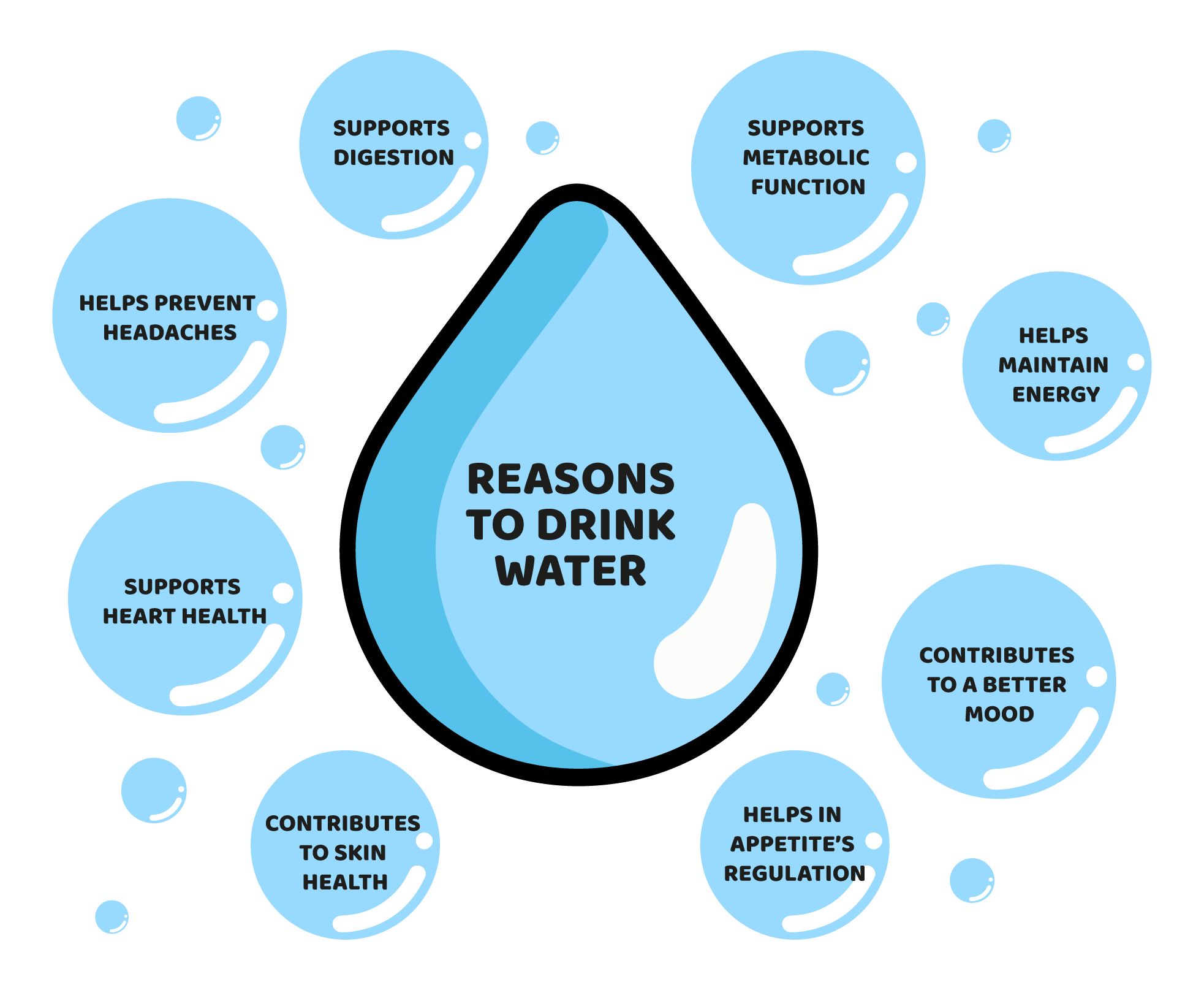
Smart Hydration: choices that support focus, wellbeing and energy
In the previous sections, you learnt that the human body relies on water for almost everything: transporting nutrients, regulating body temperature, aiding digestion and keeping the brain alert. Now, in this new section, we’re taking it a step further: understanding how to plan your fluid intake throughout the day and how your choice of drinks affects your energy levels, concentration, mood and health.
It’s not just about ‘drinking more water’. It’s about making smart choices, which give you stability and help you avoid ‘false energy’, distractions and tiredness.
As you grow, the way your body manages water becomes even more important. Water constantly moves between cells, blood and tissues through a process called osmosis, moving towards where there is a higher concentration of solutes, including electrolytes such as sodium and potassium. This means that hydration depends not only on drinking water, but also on the balance between water and minerals. Drinks that are very sugary or contain too much sodium can upset this balance, making hydration less effective and affecting your energy levels, concentration and physical performance.
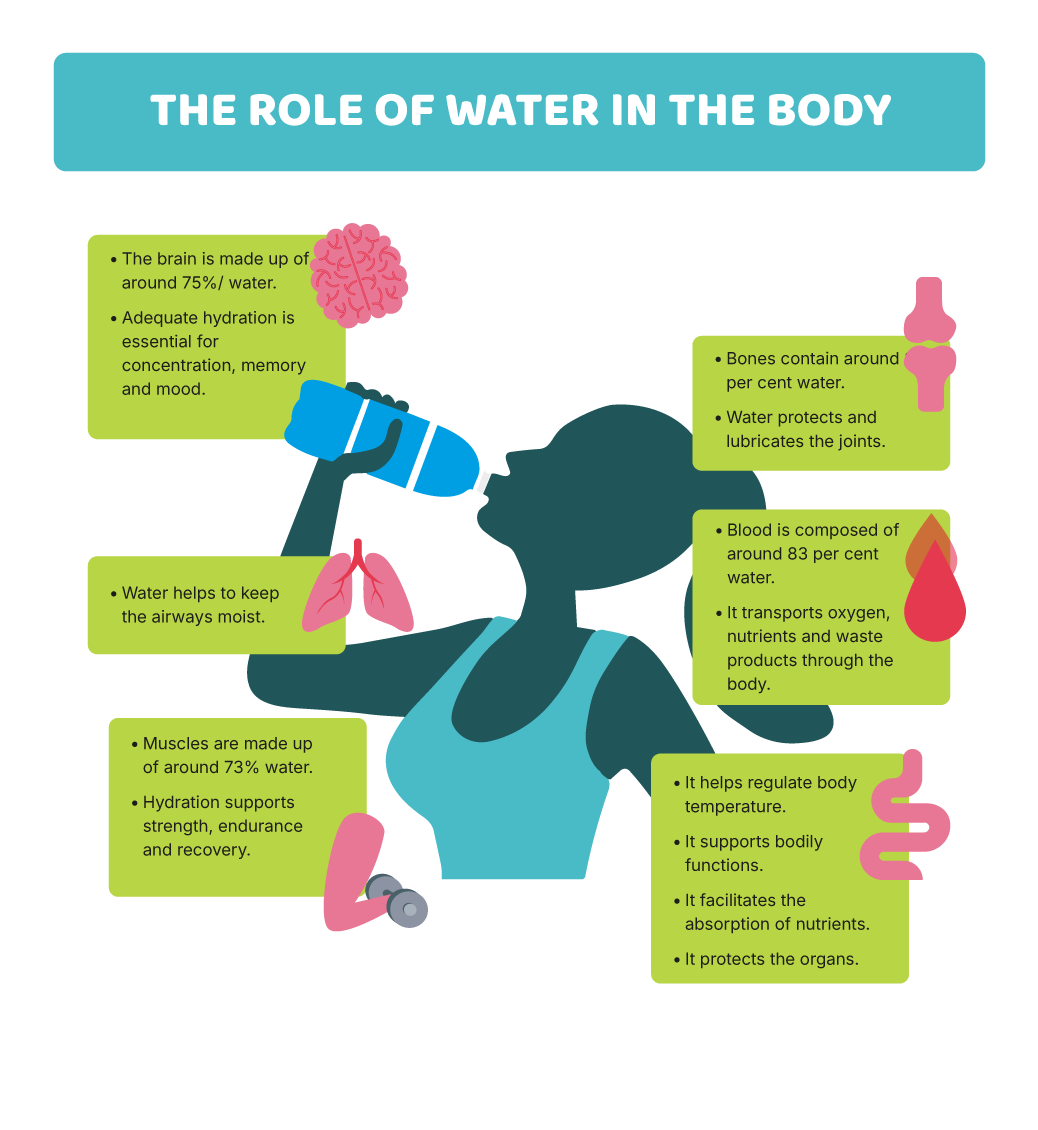
In the body, water is distributed between two main compartments: that which is inside the cells and that which circulates outside the cells, in the blood and tissues. To feel truly hydrated, water needs to enter the cells; it is not enough for it to be present in the bloodstream. This is why drinks that are very high in sugar or caffeine may give a brief feeling of ‘energy’, but do not improve cellular hydration. Good hydration is that which keeps these two compartments in balance.
Even as you grow up, the science remains clear: water is the most effective, safe, economical and sustainable drink for hydrating the body.
For most physical and everyday activities, water is sufficient to maintain good hydration. Sports drinks are only useful in specific situations: prolonged exercise (more than 60 minutes), very hot environments or intense training sessions. Outside these situations, they add sugar and energy that the body does not need.
- keeps the brain focused and alert;
- helps transport energy and nutrients;
- regulates body temperature during exercise;
- helps prevent headaches and fatigue;
- improves digestion;
- reduces the urge to ‘nibble’ due to confusion between thirst and hunger.
The exact amount depends on factors such as physical activity, temperature and diet, but a rule of thumb works well:
Drinking small sips throughout the day is much more effective than drinking large amounts all at once.
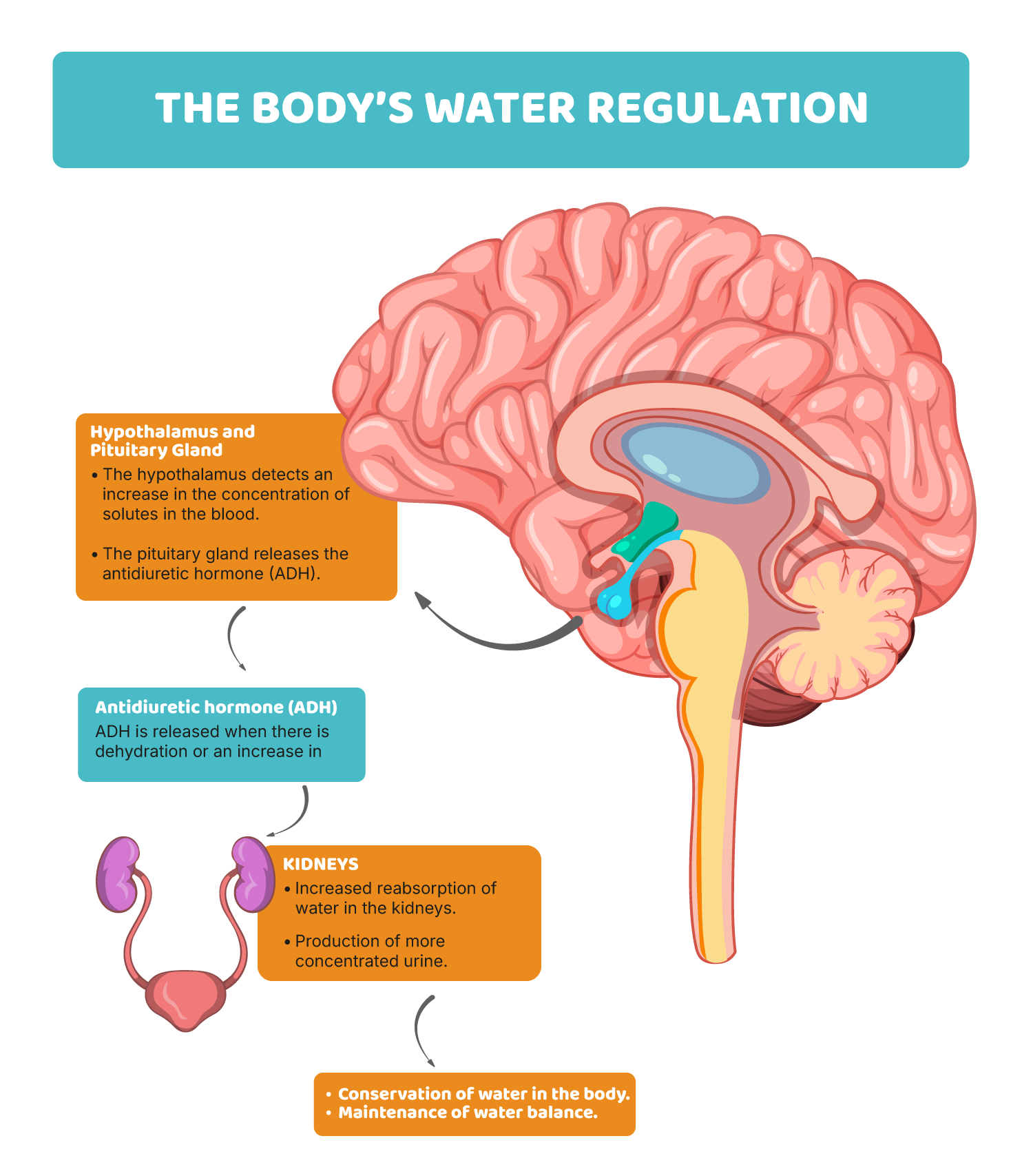
The kidneys are the organs that play the biggest role in maintaining the right amount of water in the body. To do this, they use a hormone called antidiuretic hormone, also known as vasopressin (ADH), which increases when you are dehydrated and helps the body retain water by producing more concentrated urine. When you drink large quantities in one go or consume a lot of caffeinated drinks, the release of this hormone fluctuates, which can lead to more frequent trips to the toilet and less efficient hydration. Drinking throughout the day helps the body regulate this system more effectively.
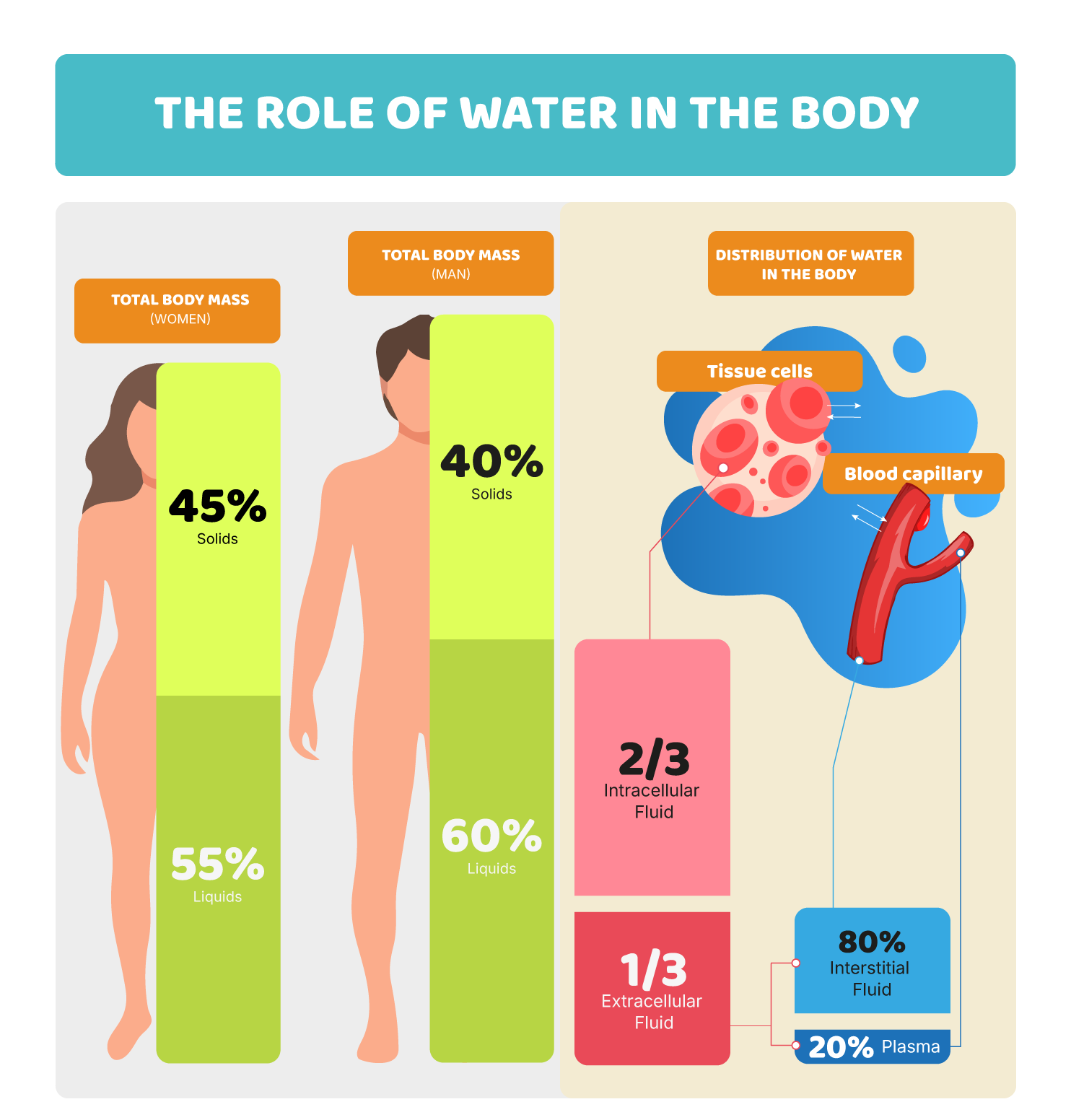
The brain is the organ most sensitive to a lack of water. Thirst is not a reliable indicator of hydration, particularly during adolescence. The body only triggers the sensation of thirst when there are changes in blood concentration or a slight reduction in plasma volume, which means that dehydration has already begun. Studies show that this mild dehydration is enough to slow down thinking, affect mood and reduce accuracy in tasks that require concentration. Therefore, waiting until you feel thirsty to drink may be too late to maintain good performance.
Mild dehydration (even before you feel thirsty!) can cause:
- difficulty concentrating;
- mental fatigue;
- irritability;
- slowness of thought;
- headaches.
The good news is that the opposite is also true:
When you stay hydrated regularly, you maintain more stable mental energy and greater clarity.
That’s why small gestures, such as carrying a bottle with you in class or whilst studying, make such a big difference to your performance.
Real-life hydration challenges (and how to overcome them)
Contrary to popular belief, most teenagers do not drink enough water.
The most common reasons are:
- “I forget”.
- I don’t want to go to the loo too often.
- I don’t carry a bottle with me.
- I prefer flavoured drinks.
Simple strategies can help:
- use a lightweight, reusable bottle (your essential companion);
- Have a little drink whenever you move to a different room;
- Have a glass of water before you start studying;
- flavour the water with fruit or herbs (lemon, mint, orange, red berries).
What to choose… and what to avoid
Products that moisturise well
- Water
- Water with fruit (lemon, orange, red berries)
- Tea or herbal teas without sugar
- Milk or unsweetened plant-based drinks
- Soup (an excellent source of water and nutrients)
Items to be consumed in moderation
- Natural juices (high in natural sugar, low in fibre)
- Sports drinks (useful only during intense and prolonged training sessions)
Choices that hinder hydration
- sugary drinks
- refrigerants
- commercial iced teas
- energy drinks
- excessive coffee consumption throughout the day
These drinks are ‘deceptive’: they seem to give you energy, but they cause energy spikes and crashes, and often make you feel even more tired.
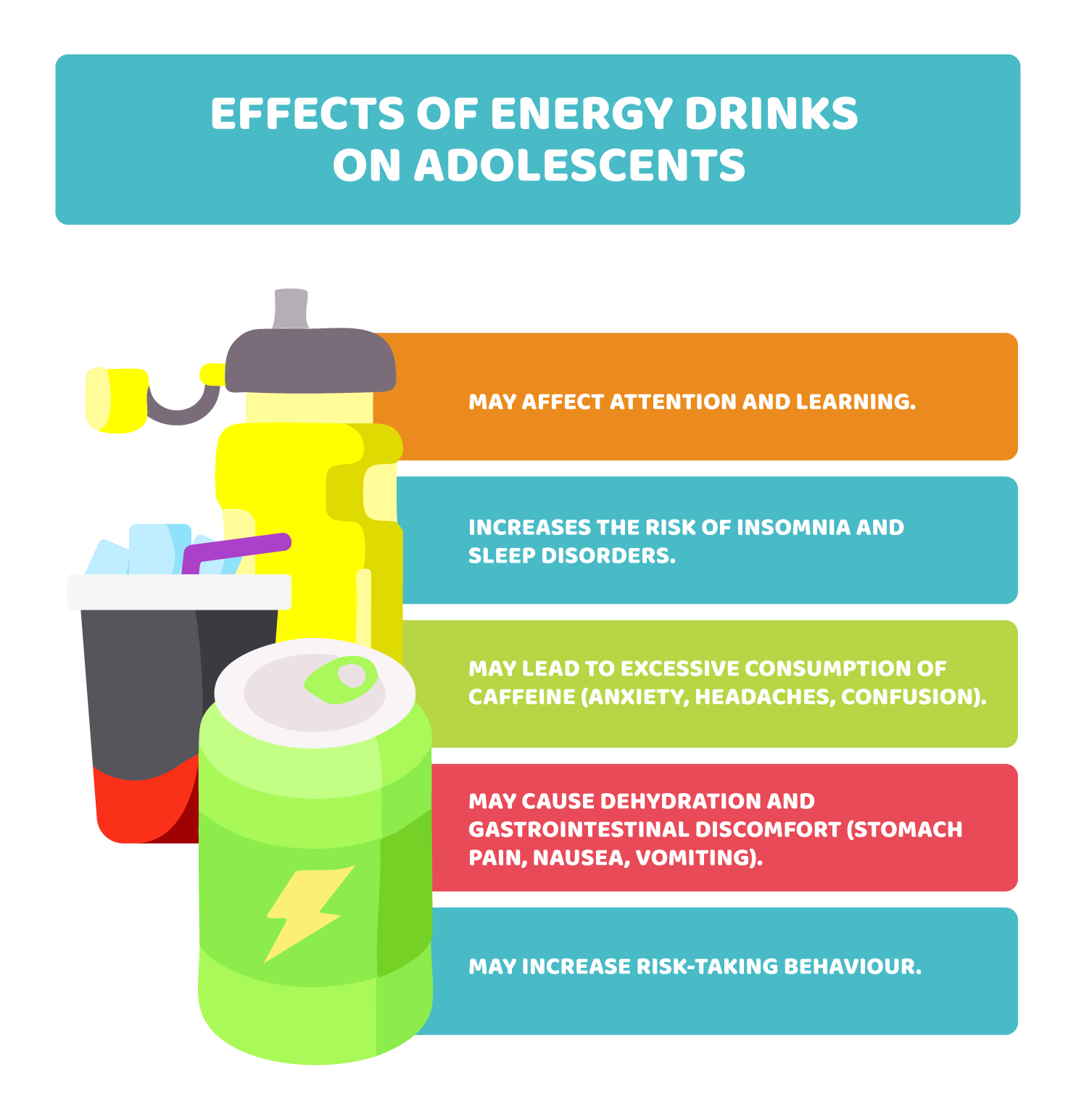
Energy drinks and excessive caffeine consumption are becoming increasingly common. But the science is clear on the risks:
Energy drinks don’t give you real energy — they actually sap your energy in the medium term.
Why?
- increase anxiety and heart rate;
- impair the quality of sleep;
- this creates a cycle in which tiredness leads to increased consumption of stimulants, which in turn makes sleep worse.
- may reduce your ability to concentrate.
After the initial rush, there’s always a ‘crash’: drowsiness, irritability and reduced concentration.
For teenagers, the international recommendations are clear: avoid energy drinks.
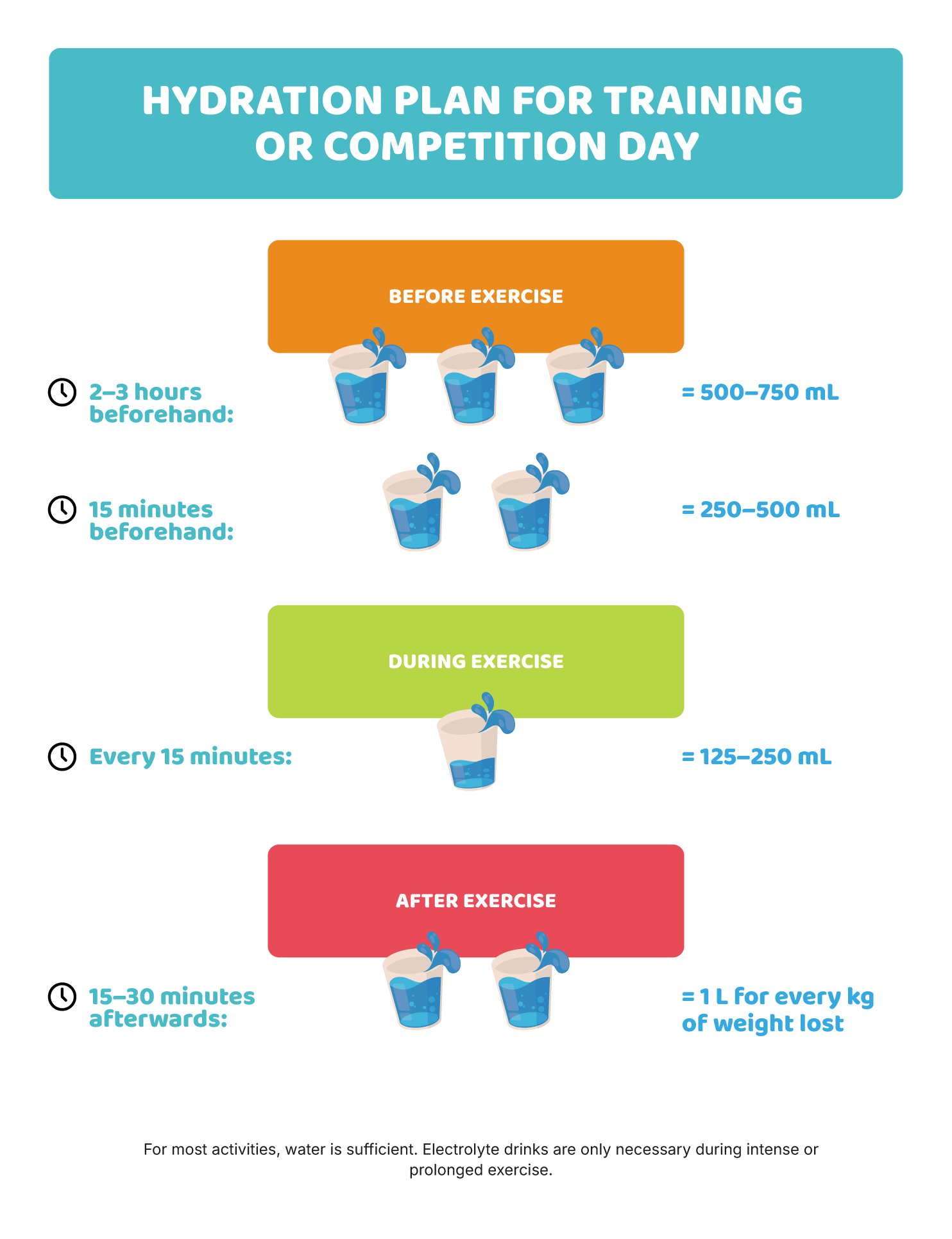
If you exercise regularly, you need to be more strategic about your fluid intake:
- drink water before, during and after your workout;
- During intense training sessions (≥1h), you may need an electrolyte drink, but only in such cases;
- Avoid very sweet drinks: they make digestion more difficult and cause blood sugar levels to drop rapidly.
During exercise, the body loses water mainly through sweat, which acts as an essential cooling mechanism. To prevent overheating, the body redirects water to the skin whilst temporarily reducing urine production. This process significantly increases the need for fluids and electrolytes. If hydration before or during training is insufficient, both body temperature and perceived exertion increase, affecting performance, coordination and safety.
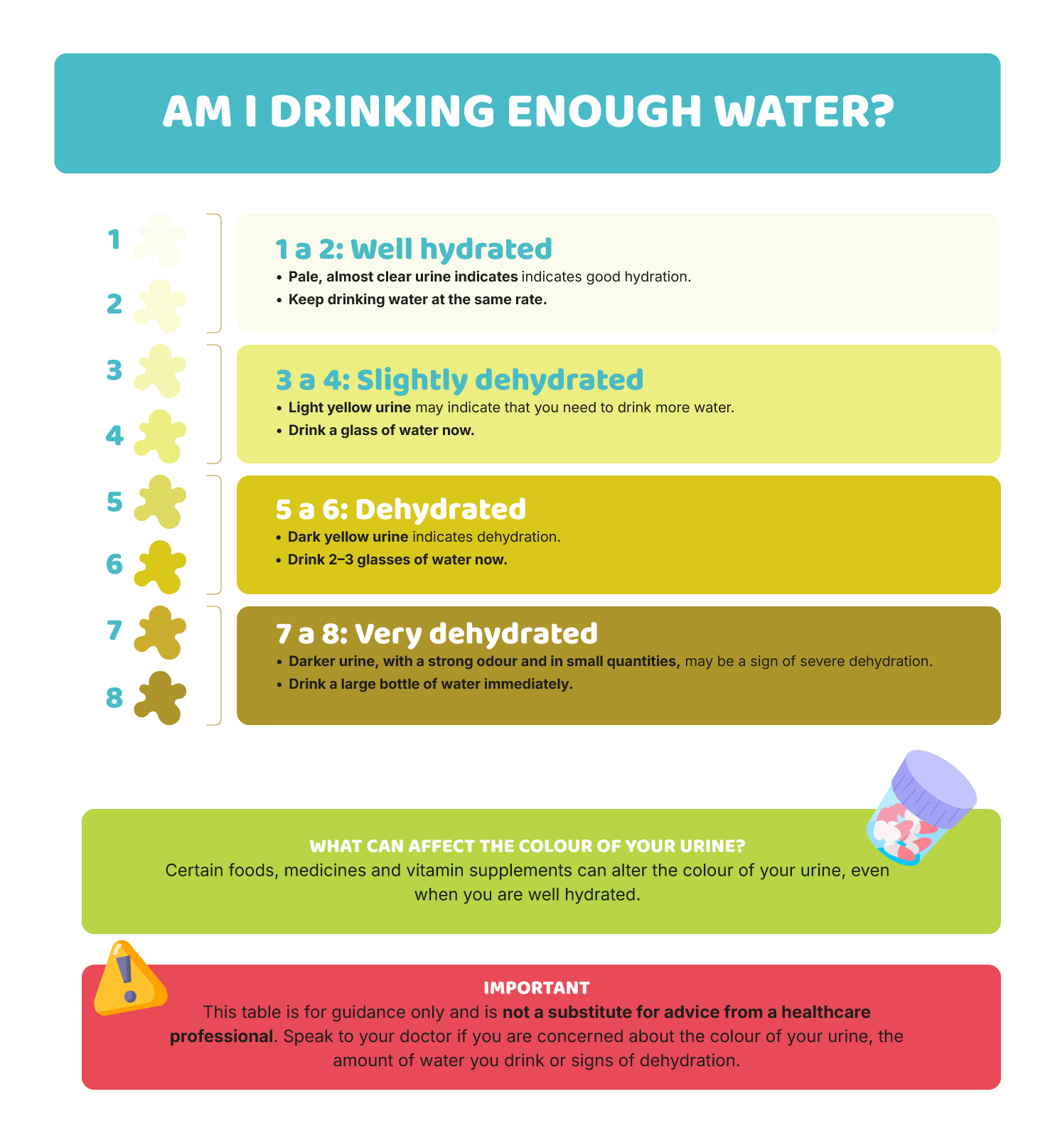
A simple way to check your hydration: urine colour: pale yellow = well hydrated; dark yellow = drink more water.
Weekly hydration plan
Hydration needs to be planned just like meals and snacks.
How to plan:
- always carry a bottle with you (it’s the number one tool!);
- fill the bottle first thing in the morning;
- set ‘automatic’ times for drinking (between lessons, during breaks, before training, before studying);
- include water in your meal and snack routine;
- Use visual reminders: Sticky notes, a wristband, or a reminder on your mobile phone.
Small habits build lasting routines.
Did you know that your body uses special channels called aquaporins to transport water quickly between cells? These channels are found in various organs, including the brain and kidneys, and help maintain water balance even when needs change rapidly — for example, during exercise or on very hot days. They are like ‘fast doors’ that ensure cells are hydrated at just the right moment.
If you find it hard to drink water throughout the day, try this rule:
2 sips = every time you switch activities.
- you’ve changed classes → 2 sips
- you’ve opened your notebook → 2 sips
- you’ve started studying → 2 sips
- you’re leaving home → 2 sips
At the end of the day, the difference is huge.
FOODWISELAB challenge

Understanding how staying hydrated throughout the day affects energy levels, concentration and well-being, whilst developing a simple and sustainable habit.