The dish
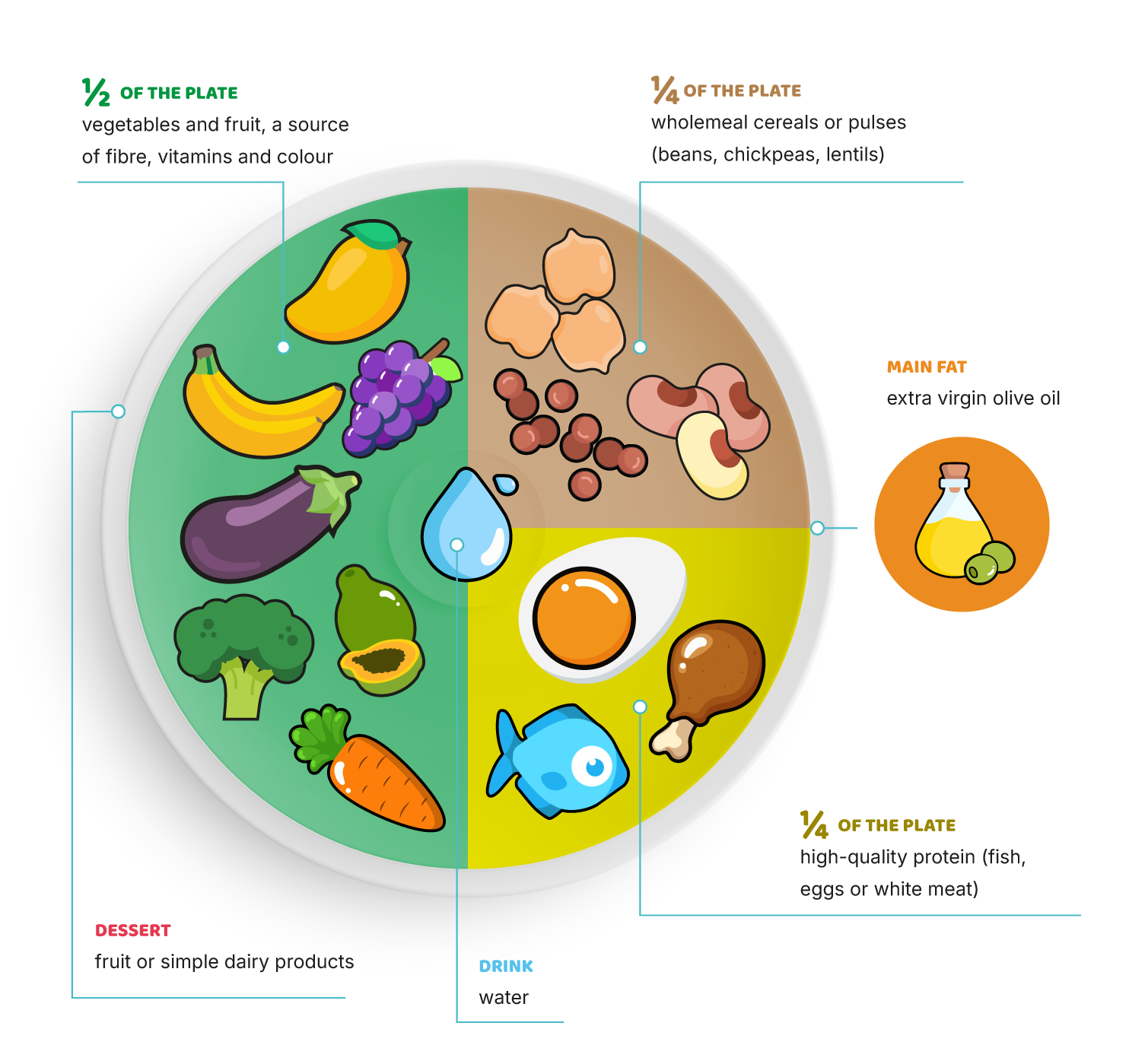
Eat a colourful, varied and balanced diet.
Eating a balanced diet means nourishing both the body and the planet in harmony. In the Mediterranean diet, balance is not a rigid rule, but an art of combining simple, seasonal and colourful foods to create dishes that nourish and bring pleasure. The World Health Organisation points out that a healthy diet should be varied, rich in vegetables, moderate in salt, sugar and saturated fats, and tailored to each person’s needs. The Mediterranean dish embodies this in a practical way; it is a palette of colours and flavours that celebrates life.
Harmony on the plate
The Mediterranean diet is one of the most comprehensive models of nutritional and environmental balance.
The secret lies in the proportions:
- half the plate: vegetables and fruit, a source of fibre, vitamins and colour;
- ¼ of the plate: whole grains or pulses (beans, chickpeas, lentils);
- ¼ of the plate: high-quality protein (fish, eggs, white meat or pulses);
- main fat: extra virgin olive oil;
- drink: water; fruit or plain dairy products for dessert.
This combination ensures an adequate intake of complex carbohydrates, lean protein, healthy fats and micronutrients, supporting adolescents’ growth and wellbeing.

Think of your plate as a rainbow: the more natural colours it contains, the more nutrients you’re providing for your body.
The colours of food aren’t just beautiful; they also ‘speak’ of protective substances. Red and purple foods (such as tomatoes, red berries or red cabbage) contain compounds that protect the heart; orange and yellow foods (carrots, pumpkin, peppers) support eyesight and the immune system; dark green foods (spinach, broccoli, kale) contribute to strong bones and healthy blood. These phytochemicals and antioxidants work in tandem with vitamins and minerals, helping to reduce the risk of disease throughout your life. The more varied your meal, the larger this ‘protective team’ working in your favour.
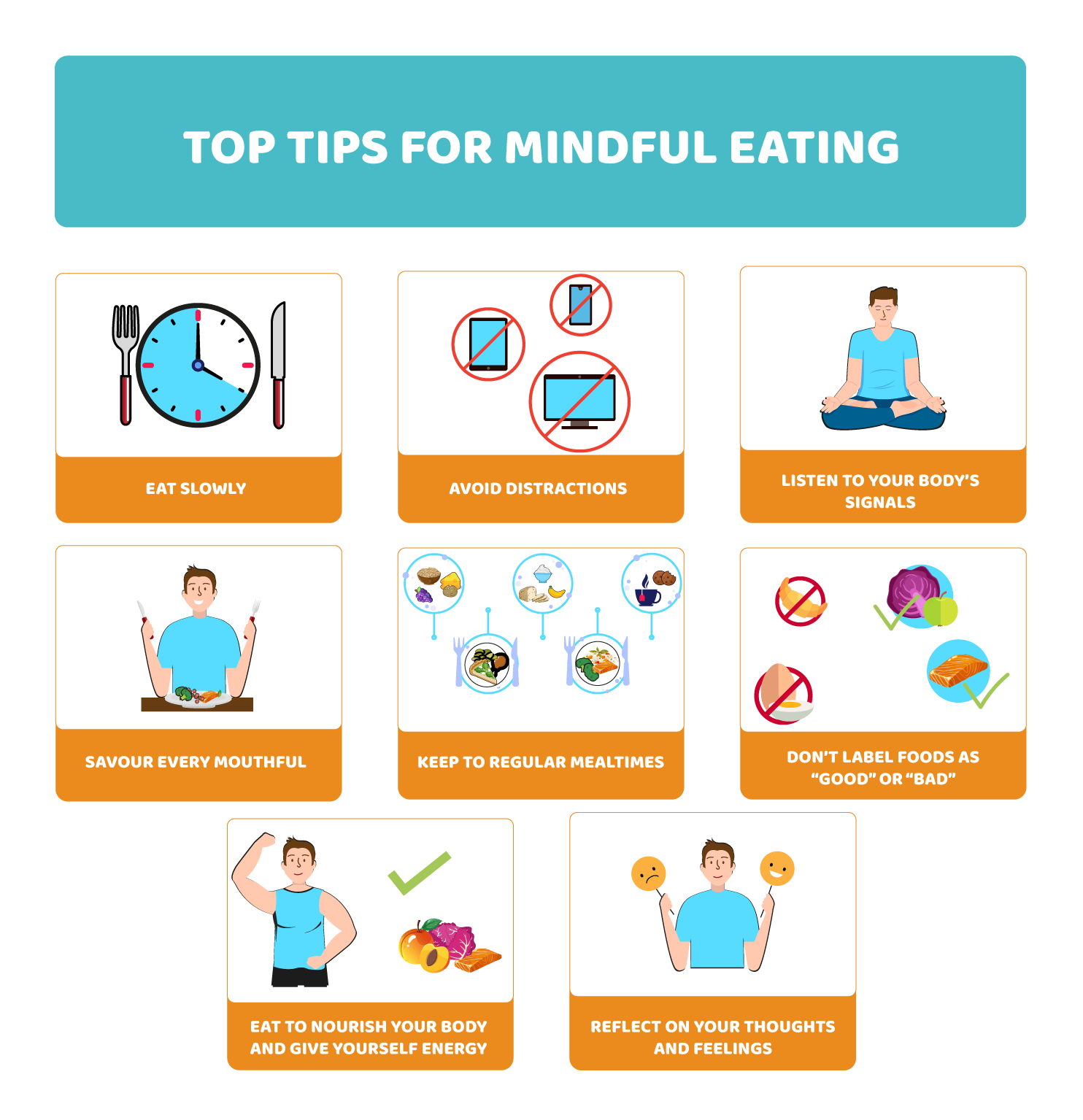
In the Mediterranean diet, how you eat is just as important as what you eat. Balance stems from three unspoken pillars:
- Moderation – eating enough, without overindulging;
- Time – savour it slowly, respecting the body’s rhythms;
- Quality – give preference to fresh, local and seasonal food.
Teenagers who put these principles into practice develop greater food literacy, self-esteem and autonomy in their food choices.
Cooking and eating at a leisurely pace allows us to recognise when we are full and to appreciate the meal as a social and cultural experience.
TIP: Eating less isn’t always better, but eating mindfully is always healthier.
Olive oil is at the heart of the Mediterranean diet. Rich in monounsaturated fats and antioxidants, it helps the body absorb fat-soluble vitamins such as A, D, E and K. Replacing saturated fats with olive oil reduces the risk of cardiovascular disease.
Plant-based foods — pulses, whole grains, nuts and seeds — provide slow-release energy and plant-based protein, making meals more sustainable and affordable. Plant-centred diets have a smaller environmental footprint and strengthen the link between food and respect for nature.
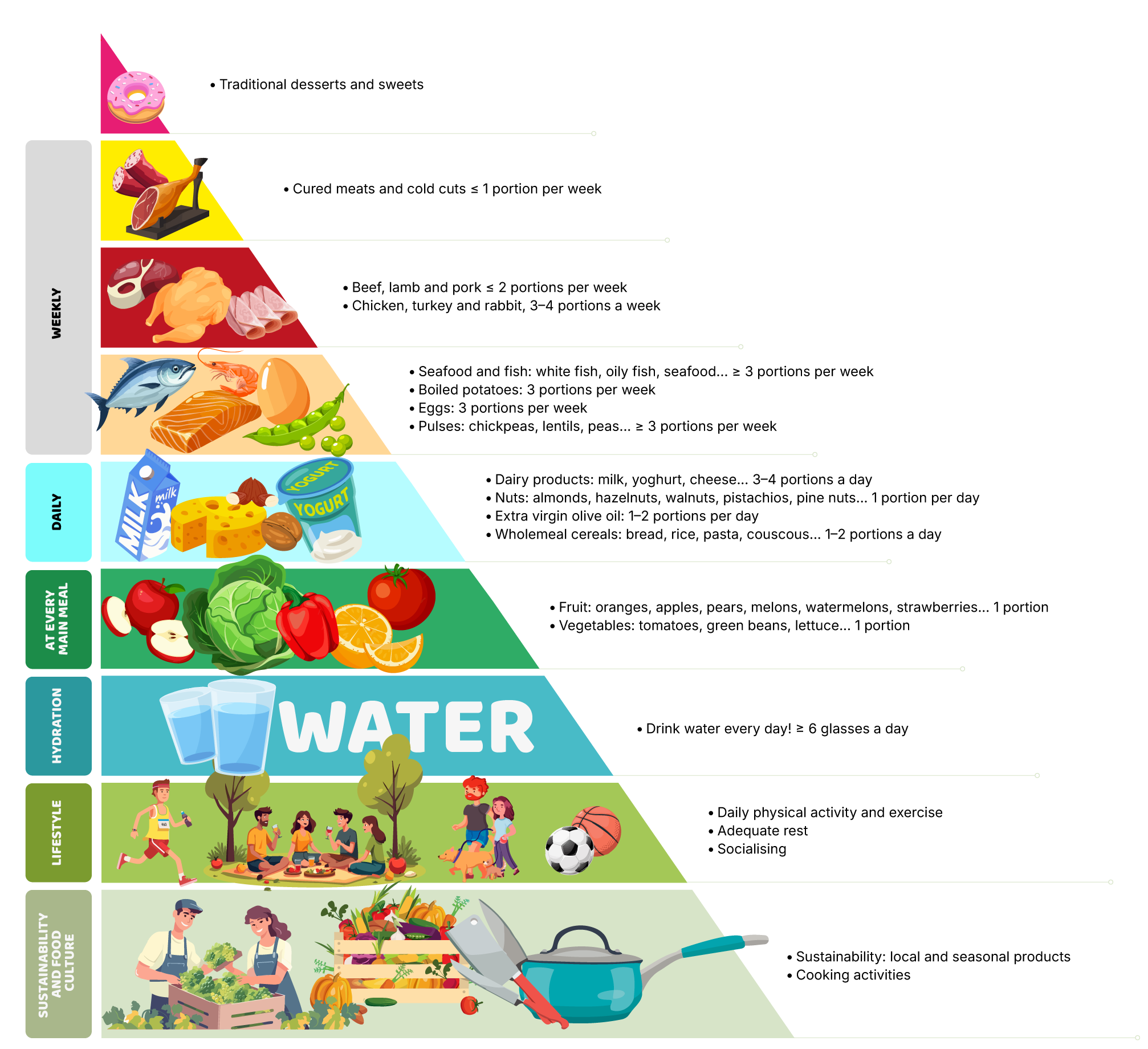
Think of vegetables, beans and olive oil as your body’s ‘clean energy’ – they give you strength without harming the planet.
FOODWISElab challenge

To learn how to put together a balanced daily diet based on the Mediterranean Diet model, combining nutrition, enjoyment, socialising and sustainability.
The mediterranean dish of the day