
Seasonal and local food
Seasonal produce is tastier, more nutritious and better for the environment
Eating seasonal food grown locally is a smart choice: it benefits your body, supports your community and protects the planet.
When we respect the rhythm of the seasons, we follow the earth’s natural cycle and reduce the environmental impact of our diet.
Seasonal produce grows at the right time, makes better use of the sun’s energy and rainfall, and therefore has more flavour, colour and nutrients.
What’s more, it requires less energy and fewer chemicals to grow, making its production more sustainable.
Identifies seasonal foods

Every season has its own colours and flavours.
- In winter, oranges, cabbages and pumpkins are in season; they are rich in vitamin C and ideal for boosting the immune system.
- In spring, strawberries, peas and asparagus appear, fresh and light.
- Summer brings watermelon, tomatoes, cucumbers and peaches, which help to keep you hydrated.
- And in autumn, apples, pears, chestnuts and cabbages herald the return of comfort food.
When you eat out of season, the food is likely to have come from far away or to have been grown in heated greenhouses.
This increases energy consumption, the use of fertilisers and so-called ‘food miles’ – the distance food travels before it reaches your plate.
The longer this journey, the higher the greenhouse gas emissions.
Tip: Find out which produce is in season in your area each season.
Creating a seasonal calendar is a fun way to plan more sustainable and varied meals.
Buying local products is a way of strengthening your community.
Food produced locally arrives fresher, uses less fuel during transport and requires less packaging.
When you buy vegetables at the municipal market or the local market, you are supporting small-scale producers, often families who farm the land using traditional methods and with a lower environmental impact.
Local production systems reduce dependence on long industrial supply chains and help to build food resilience – a region’s ability to ensure its own food supply, even in times of crisis. Furthermore, by supporting local production, you are preserving ancient agricultural knowledge and regional varieties of fruit and vegetables, which are essential for maintaining biodiversity.
Handy tip: Read the labels on the supermarket shelves; many products state the country or even the region of origin.
Whenever possible, choose “Product of Portugal” and opt for food grown near your town or village.
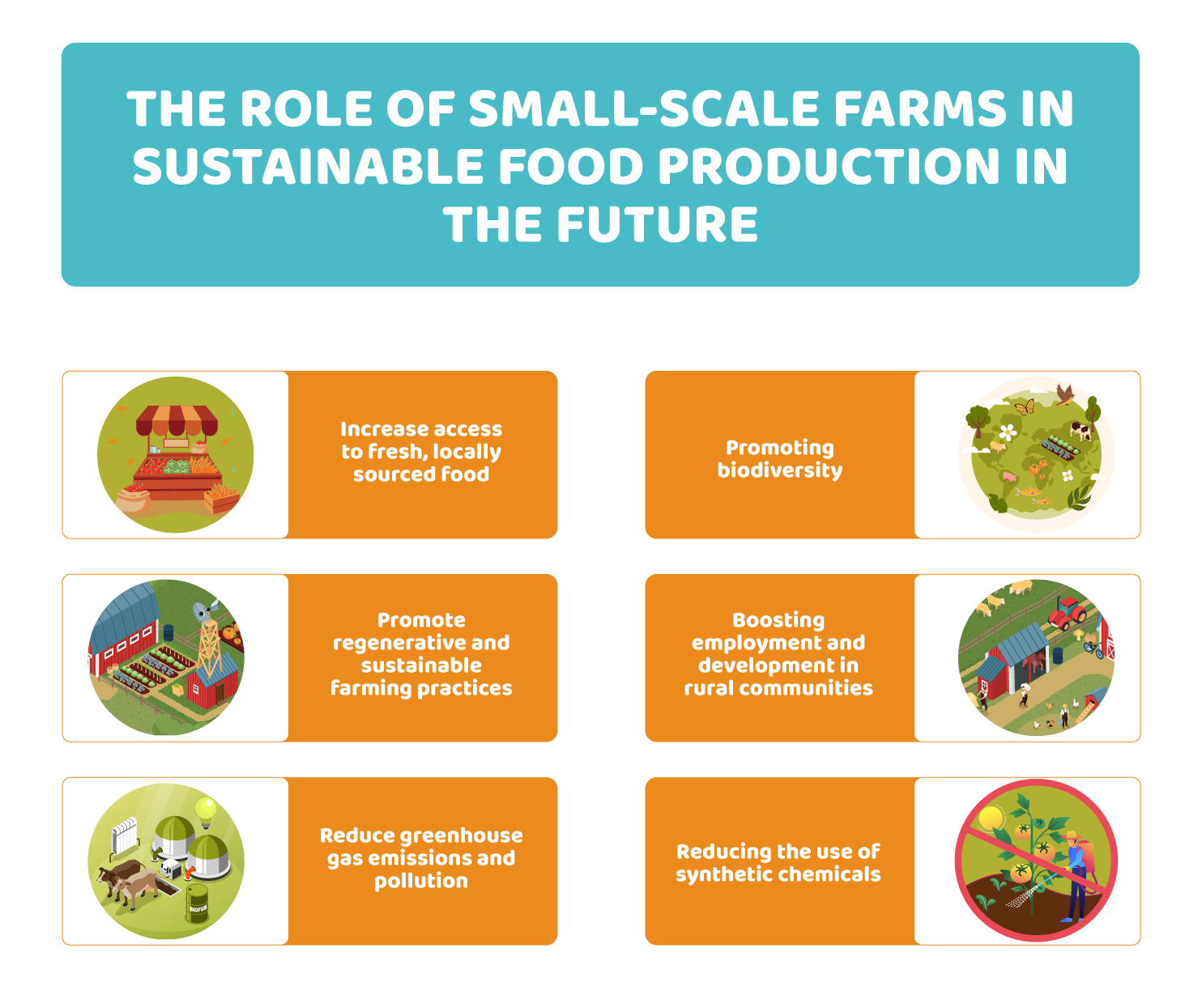
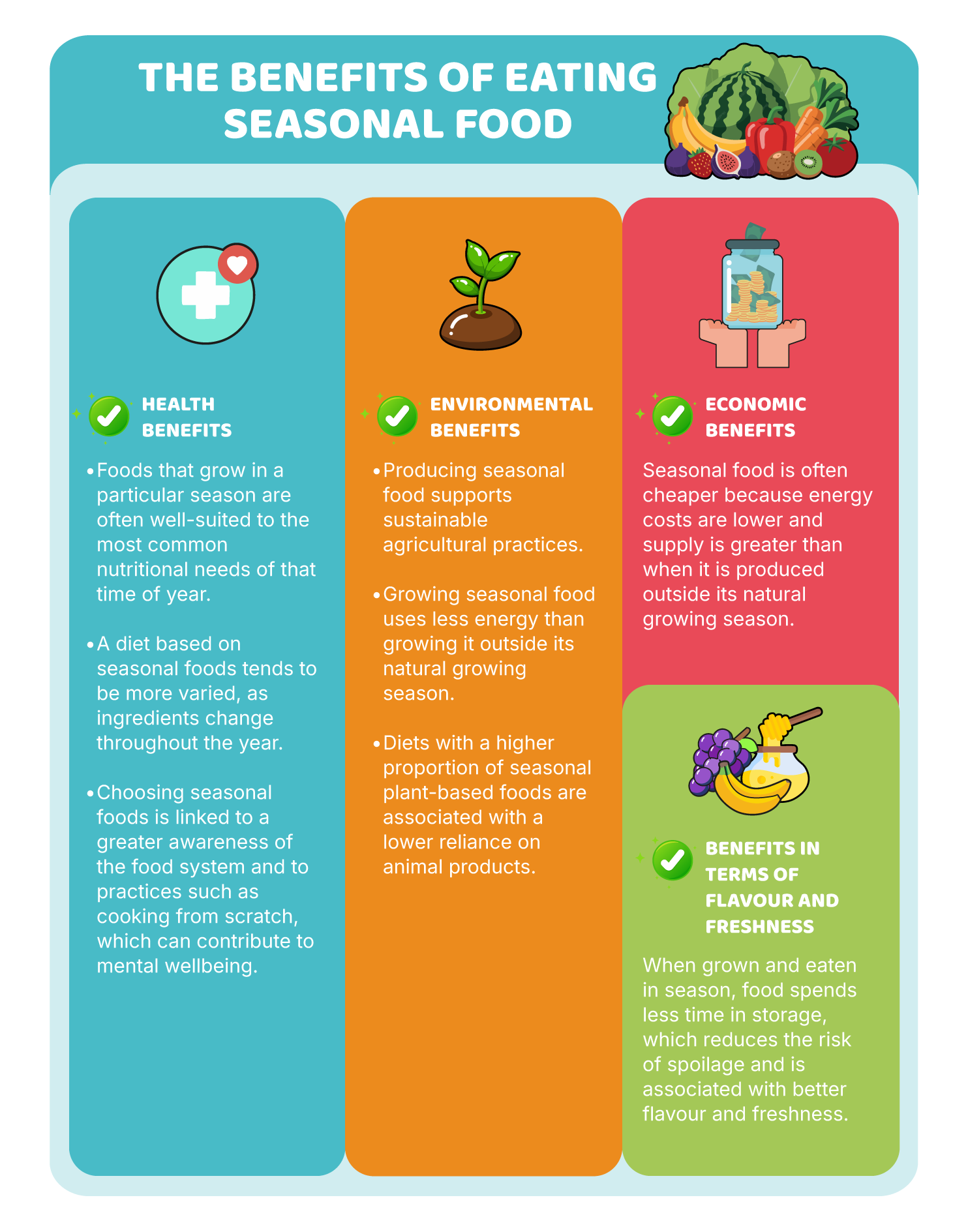
Seasonality is one of the cornerstones of a sustainable diet.
Seasonal foods:
- They grow with less human intervention (without greenhouses or artificial light).
- They require less water and energy.
- They retain their flavour and nutrients better, as they ripen naturally.
- They generate less waste, because they last longer and are harvested at just the right time.
Eating locally and seasonally is not just a question of distance, but also of production methods.
The true environmental impact depends on how food is grown, packaged and transported.
A tomato grown locally, but in a heated greenhouse during the winter, may have a larger carbon footprint than a tomato from a region where it is grown outdoors.
That is why making the right choice means considering the food’s entire life cycle, from field to plate.
Local food systems also promote social and economic justice, ensuring fairer working conditions and more balanced prices for producers and consumers.
Eating locally is therefore a way of contributing to stronger communities and a fairer rural economy.
Green tip: Whenever possible, visit farmers’ markets, community gardens or community-supported agriculture (CSA) schemes.
These places bring you closer to the people who grow your food and help you appreciate its true value.
What’s best in each season
| Station | Featured fruit and vegetables | Main benefit |
|---|---|---|
| Winter | Oranges, pumpkin, kale, leeks | Boosts the immune system |
| Spring | Strawberries, peas, lettuce, asparagus | Provides freshness and vitamins |
| Verão |
Watermelon, tomato, cucumber, peach |
Hydrates and replenishes minerals |
|
Autumn |
Apples, chestnuts, kale, carrots |
Warmth and comfort in cold weather |
FOODWISElab challenge

To understand the importance of seasonality and local produce in our diet, recognising their benefits for sustainability, health and support for the local economy.
From Season to Plate: a local and seasonal menu