
Choose – Learning to make good choices
Fresh, frozen, tinned or processed?
Choosing your food carefully is a way of looking after your health and also of protecting the planet. When you decide what to buy, you’re having an impact on the environment – from the way food is produced to the energy and packaging used to store and transport it.
Learning to tell the difference between fresh, frozen, tinned and processed foods helps you make more balanced, affordable and sustainable choices.
FRESH FOOD
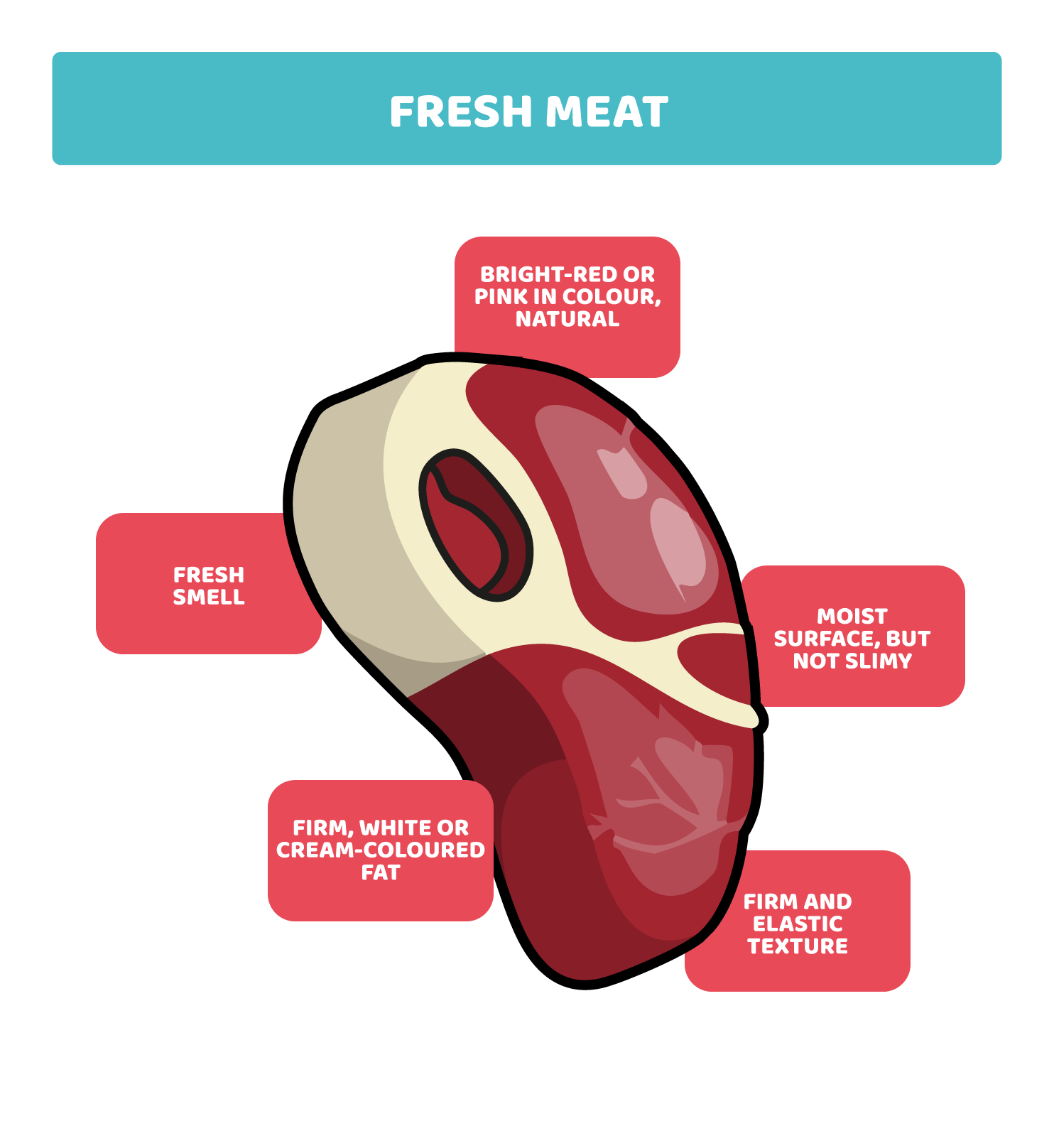
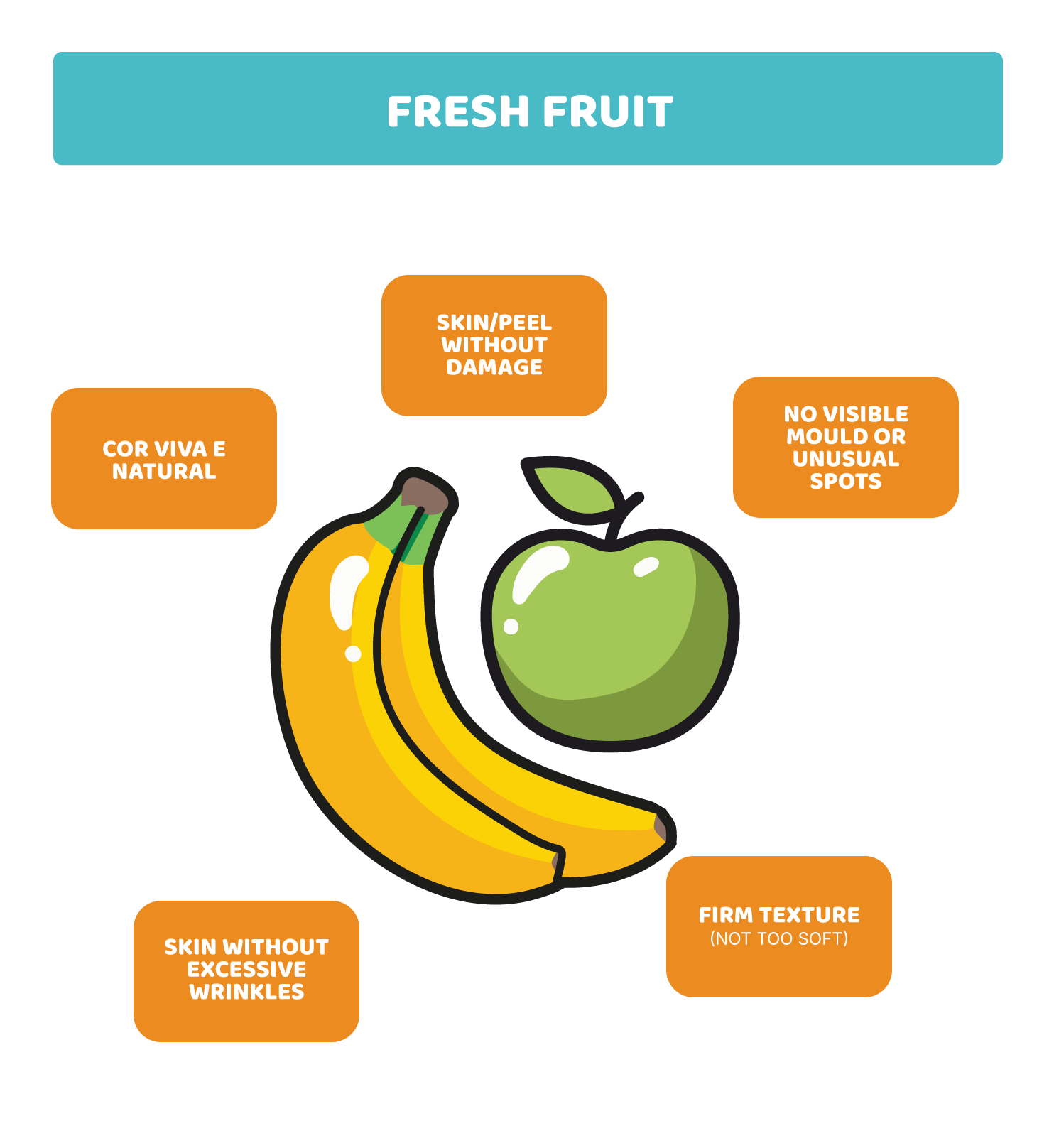
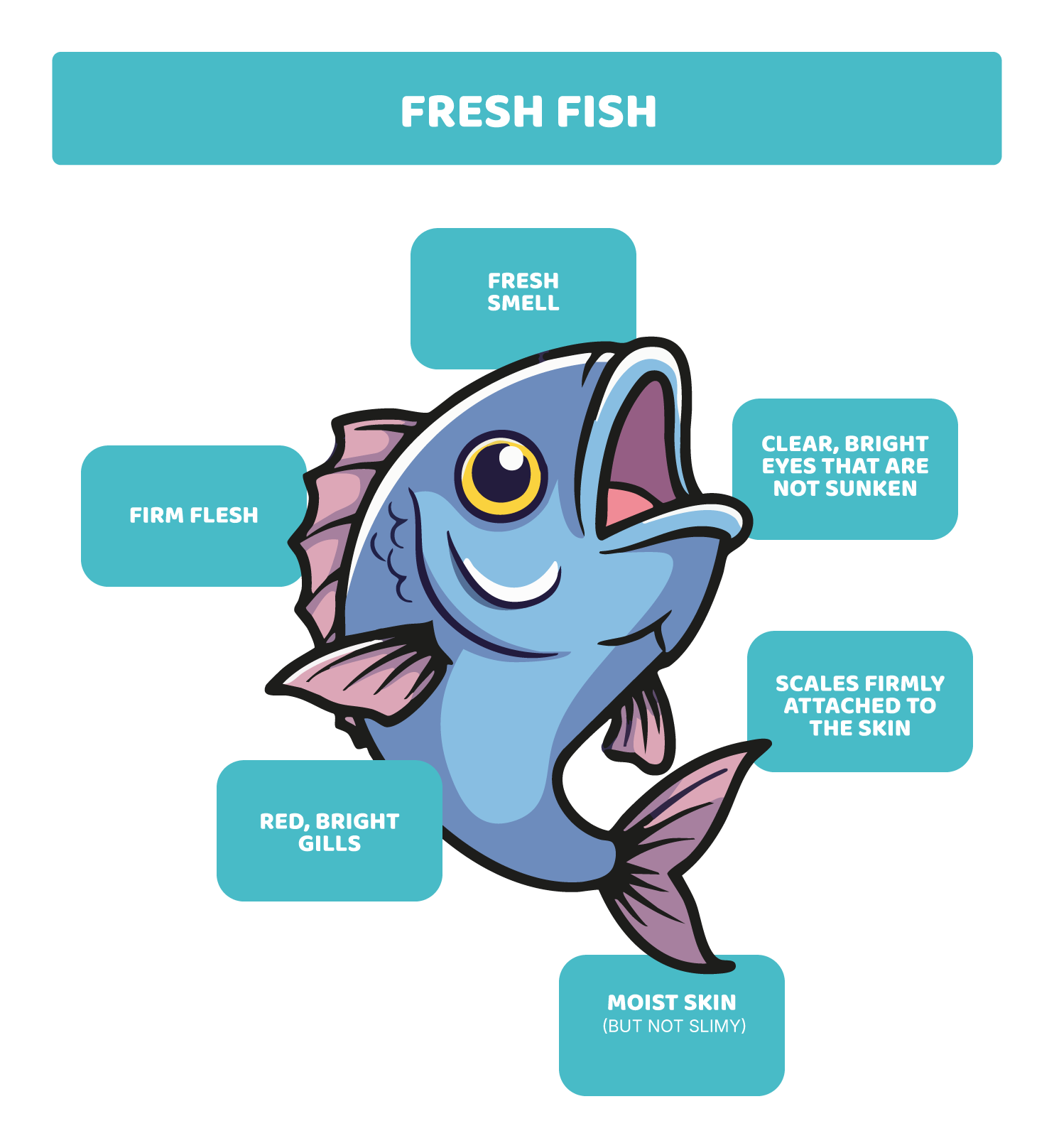
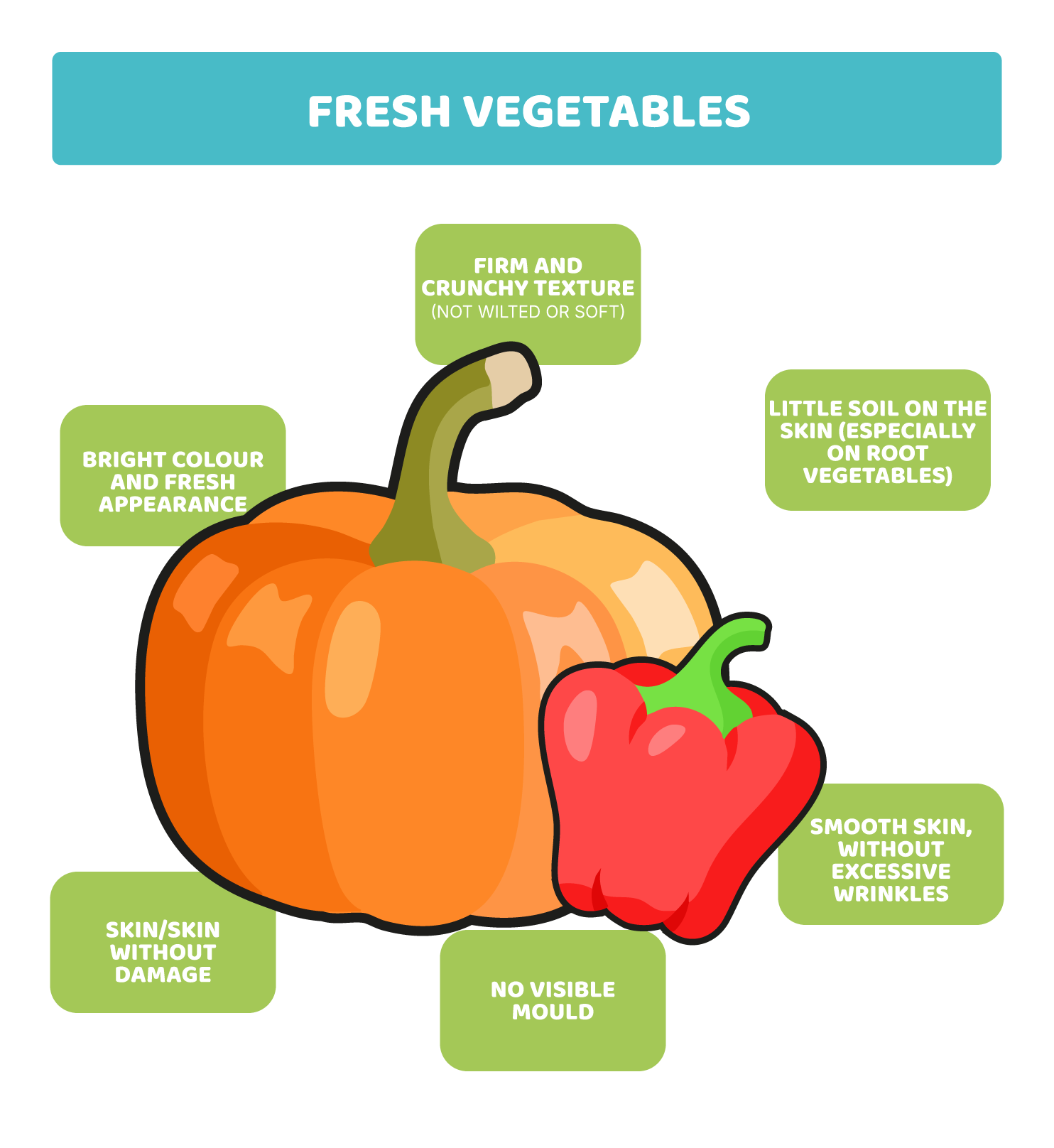
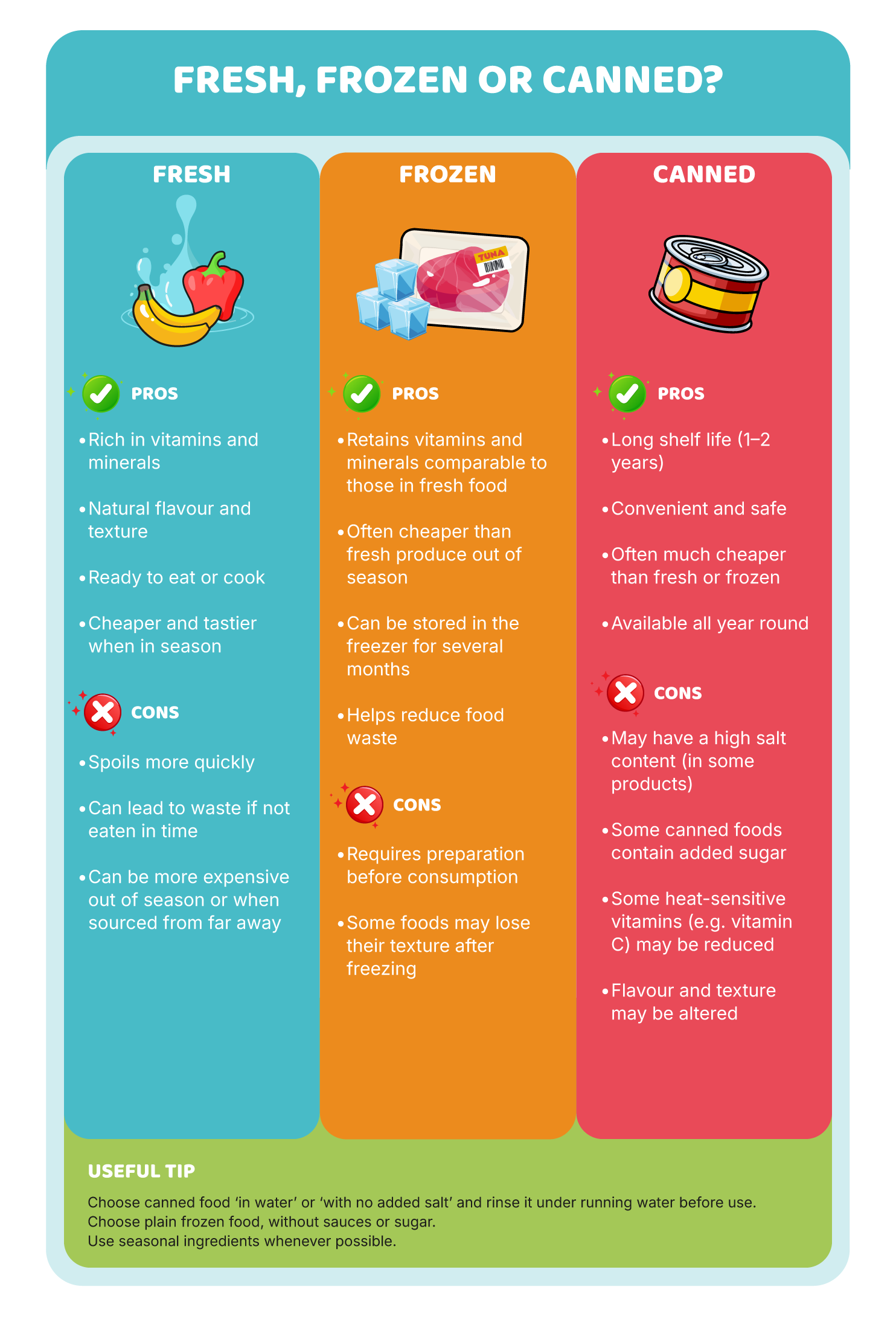
These are foods that come directly from nature: fruit, vegetables, meat, fish and eggs. They are rich in vitamins and minerals, but they spoil quickly and can lead to waste if they are not eaten in time.
When they are in season and locally produced, they require less transport and energy, retain their nutrients better and support local farmers.
Tip: Choose seasonal and locally grown fruit and vegetables – they taste better, are more nutritious and have a smaller environmental footprint.
Learning to make good choices
Frozen food
It is harvested at just the right time and quickly frozen at between –18 °C and –25 °C, which slows down chemical and microbial reactions and preserves nutrients, colour and flavour.
Freezing is one of the oldest and safest preservation methods and remains an effective way of preventing food waste.
Studies show that frozen food retains virtually the same nutritional value as fresh food, particularly when it contains no added sauces, salt or sugar.
Tip: Choose frozen vegetables and fruit without added sauces or salt. They’re convenient, healthy and help you cook only what you need, avoiding waste – one of the biggest environmental problems.
Tinned food
Tinning first appeared in the 18th century and revolutionised food preservation.
During the process, heat kills off microorganisms and allows food to be stored with low energy consumption and minimal waste.
Tinned food may lose some heat-sensitive vitamins (such as vitamin C), but it retains minerals, fibre and stable vitamins, such as A and E.
In Portugal, tinned fish and pulses are part of the culinary tradition and are an example of how tradition can go hand in hand with sustainability.
Tip: Choose pulses ‘with no added salt’ and fruit ‘in natural juice’. If the vegetables contain salt, rinse them under running water before use.
Processed and ultra-processed foods
Simply processed foods, such as bread, cheese or natural yoghurt, can form part of a balanced diet.
However, ultra-processed foods – such as filled biscuits, fizzy drinks, crisps, sugary cereals and snacks – contain artificial additives, more sugar, fat and salt, and generate more packaging and waste.
According to the NOVA classification, these foods contain industrially produced ingredients (such as colourings, preservatives and flavour enhancers) and are linked to a higher risk of chronic diseases.
Tip: Read the labels – if the list of ingredients is short and you recognise the names, that’s a good sign.
Compare to make the best choice
| Key benefits | Average duration | Type of food | Points to bear in mind |
|---|---|---|---|
| Fresco | 2–5 dias | Rico em nutrientes e sabor natural | Prefer to choose by season and location |
| Frozen | 1–12 months | Preserves nutrients and prevents waste | Avoid added sauces and salt |
| Tinned | 6–24 months | Prático, seguro e com longa duração |
Check the salt content and that the tin is intact |
IT’S ALSO A QUESTION OF ACCESS
Not all families are always able to buy fresh produce.
Frozen or tinned fruit, vegetables and pulses (without salt or sugar) are economical options, last longer and help ensure a healthy diet every day.
Choosing this way is also a way of looking after your health and preventing food waste.
THE RIGHT BALANCE
There is no single ‘perfect’ type of food.
Fresh, frozen and tinned complement each other throughout the year, helping you to eat a varied, healthy and sustainable diet.
The key is to cut down on ultra-processed foods, choose local and seasonal produce, and prioritise simple dishes that have the least possible impact on the environment.
Reflection: Making the right choice is an act of care – for your body, for others and for the planet.
FOODWISElab Challenge

To develop meal planning skills, promoting balanced, sustainable and culturally inclusive choices, based on an everyday shopping list.