
RED MEAT
What is
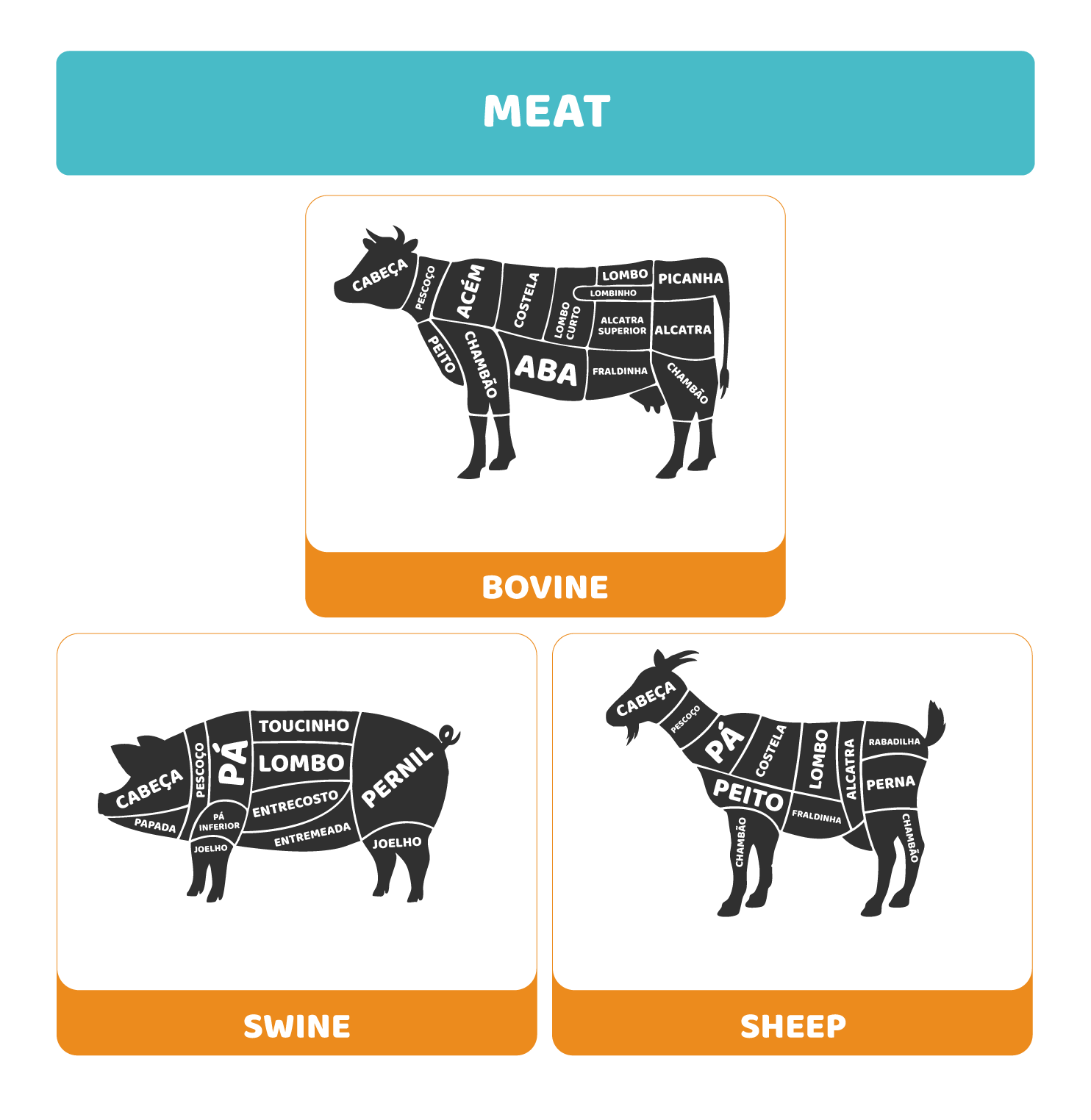
Red meat – beef, lamb, goat and pork (from a nutritional point of view, pork is considered red meat) – provides high-biological-value protein and micronutrients such as iron, zinc and vitamin B12, which are important during growth.
In the Mediterranean diet, it is eaten only a few times a week and in small portions, with a focus on pulses, fish and poultry in everyday meals, and olive oil as the main source of fat.
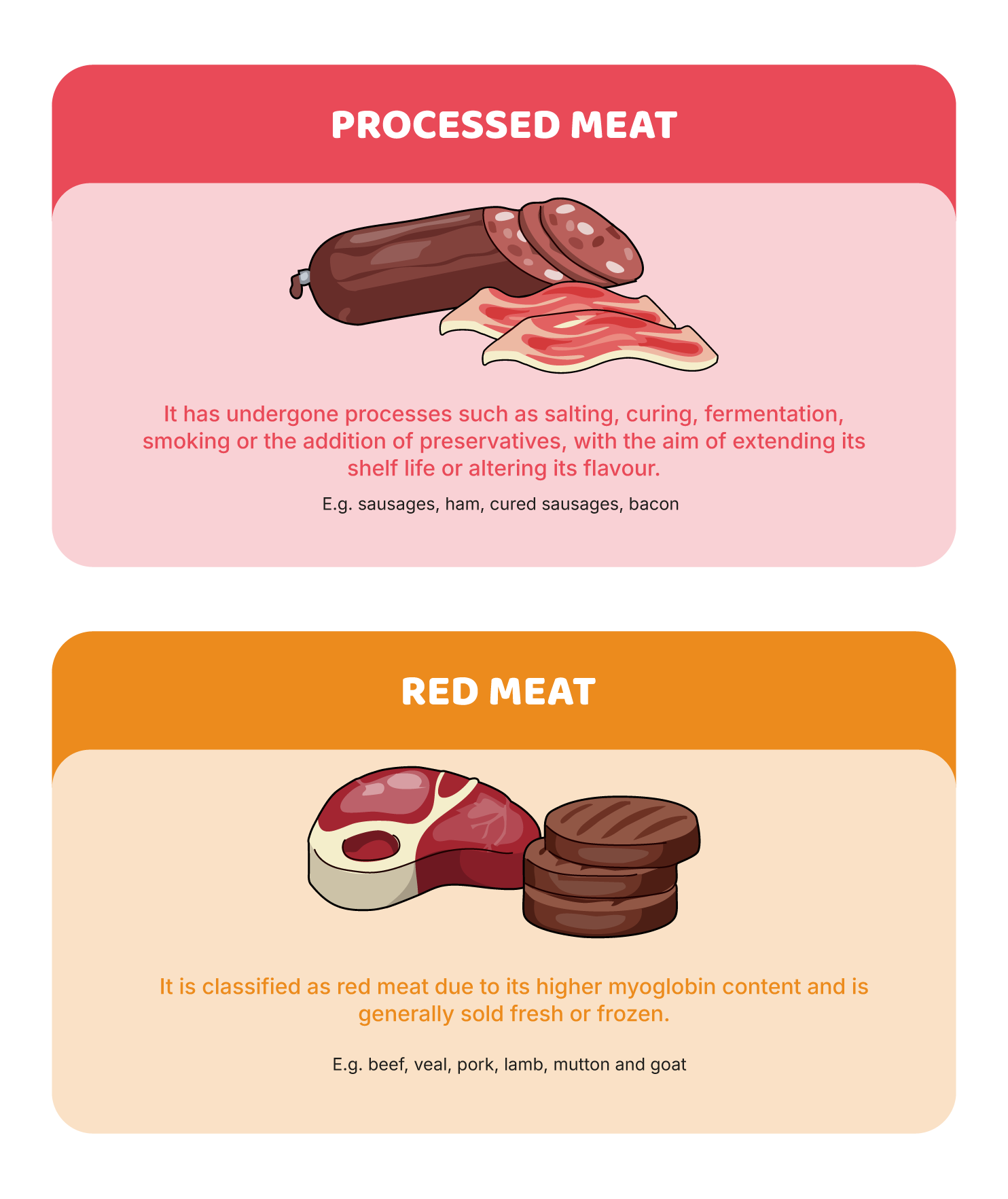
- Red meat: beef, lamb, goat, pork.
- Processed meat:salted, smoked or cured meats (e.g. sausages, ham, cured sausages).
Excessive consumption, particularly of processed meat, is linked to an increased risk of chronic diseases, including bowel cancer.
Why include
In moderate amounts, red meat can contribute to an adequate intake of iron (in the highly absorbable haem form), zinc and vitamin B12.
It is particularly beneficial for adolescents with increased iron requirements, such as girls after menarche.
However, its consumption should be balanced, favouring lean cuts and simple cooking methods.
Reference amounts (12–14 years)
- 1 portion ≈ 65 g of cooked meat (~90–100 g raw).
- Some international guidelines suggest up to ~455 g per week of cooked red meat (avoiding processed meat).
- Use this amount as a maximum limit, not as a target.
Visual tip: think of meat as taking up a quarter of your plate. The rest should be made up of vegetables, pulses and whole grains.
Practical examples for planning
- Lunch: spaghetti Bolognese with lentils and vegetables; water and fruit.
- Dinner: a bowl of barley with stir-fried strips of beef, peppers, courgette and chickpeas; tomato salad.
- Sandwiches/occasional snacks: mixed-grain bread with a small portion of cold roast pork, lettuce, cucumber and hummus (instead of sauces).
- Zero waste: any leftover stewed meat? Shred it and use it in a baked rice dish with beans and spinach, or in tacos with black beans and kale.
HOW TO CHOOSE AND COOK
- Choose lean cuts (lean veal, lean pork loin).
- Cook minced meat, burgers and sausages thoroughly (until there are no pink bits left).
- Avoid charred patches on the barbecue.
- Steaming, baking or quick-frying are healthier methods.
SAFETY AND CONSERVATION
- Keep fresh meat in the fridge for up to 3 days; minced meat should be eaten on the same day.
- Freeze it if you’re not going to use it; wrap it up well to prevent ‘freezer burn’..
- Keep raw and cooked food separate.

The iron in meat (haem) is absorbed more easily than that from plant sources; pairing it with foods rich in vitamin C (oranges, peppers) enhances this effect.
Producing meat consumes more resources (water, energy and land) than producing vegetables and cereals; therefore, “less quantity, better quality”.
Processed meat should be reserved for special occasions, due to its salt and additives.
FOODWISELAB CHALLENGE

Encourage moderate and mindful consumption of red meat, favouring small portions, combining it with pulses and vegetables and ensuring a weekly variety of protein sources.